


search
date/time

Thu, 7:00PM
few clouds
16.2°C
SSW 6mph
few clouds
16.2°C
SSW 6mph
 | Sunrise | 6:08AM |
| Sunset | 5:43PM |  |

Sharon Cain
Lifestyle & Travel Editor
P.ublished 20th June 2026
travel
Amazon Jungle Fever: What Lurks In The World's Largest River?
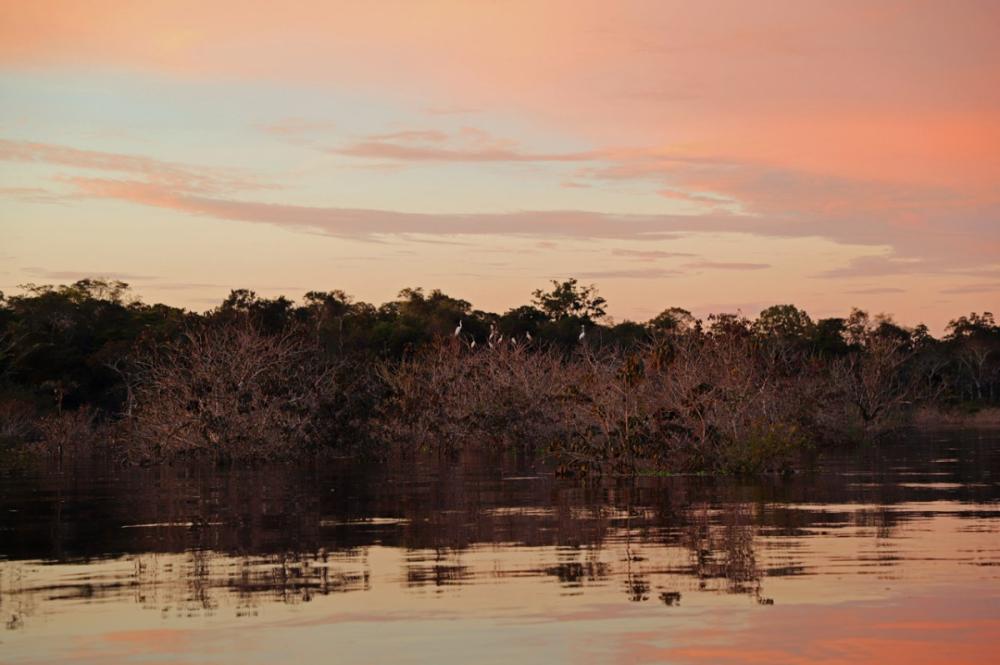
Sunset splendour over the Amazon’s unique ecosystem Images by Steve Hare
Home to the world’s largest rainforest, it teems with up to three thousand fish species including piranhas. Its unique ecosystem is also home to an astonishing variety of reptiles, birds, mammals, and animals such as pink river dolphins and electric eels.
Our Lifestyle and Leisure Editor, Sharon Cain, and series photographer, Steve Hare, doused themselves with mosquito repellent, parked their phobias of spiders and snakes - and ventured into the heart of the Upper Peruvian Amazon.
Iquitos – Jungle Gateway
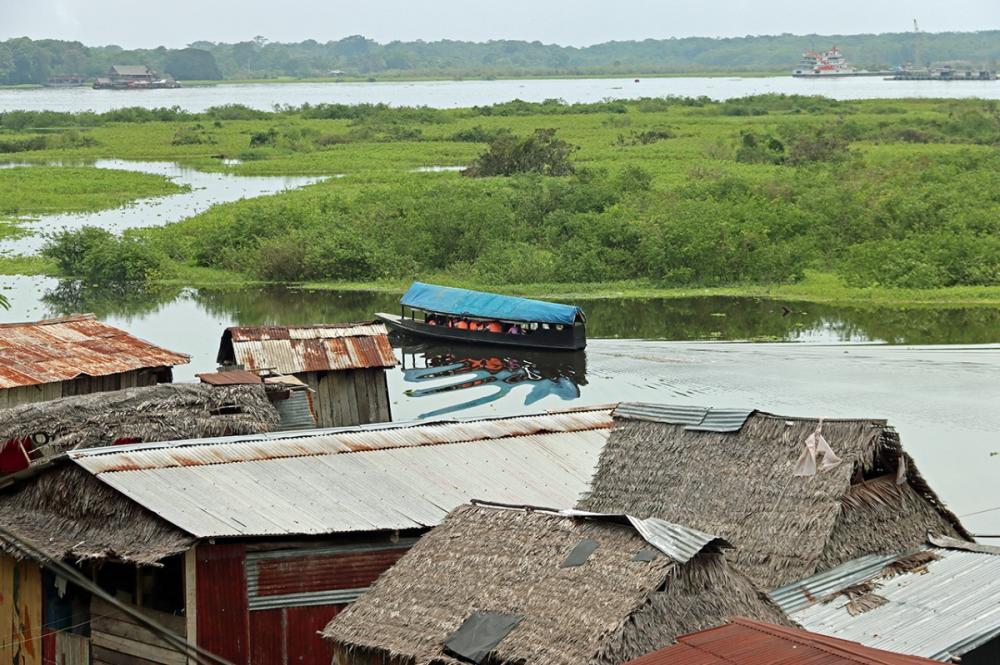
Iquitos: The Peruvian Amazon’s landlocked capital
Completely landlocked by dense rainforest and winding tributaries, the chaotic capital of the Peruvian Amazon built during the late 19th century rubber boom, is the jungle's entry point.
A cultural mix of Brazilians, Columbians and Chinese, the architecture is a fusion of colonial houses and Peruvian civil architecture – the most famous, La Casa de Fierro (the Iron House), was reputedly the work of legendary French architect, Gustave Eiffel.
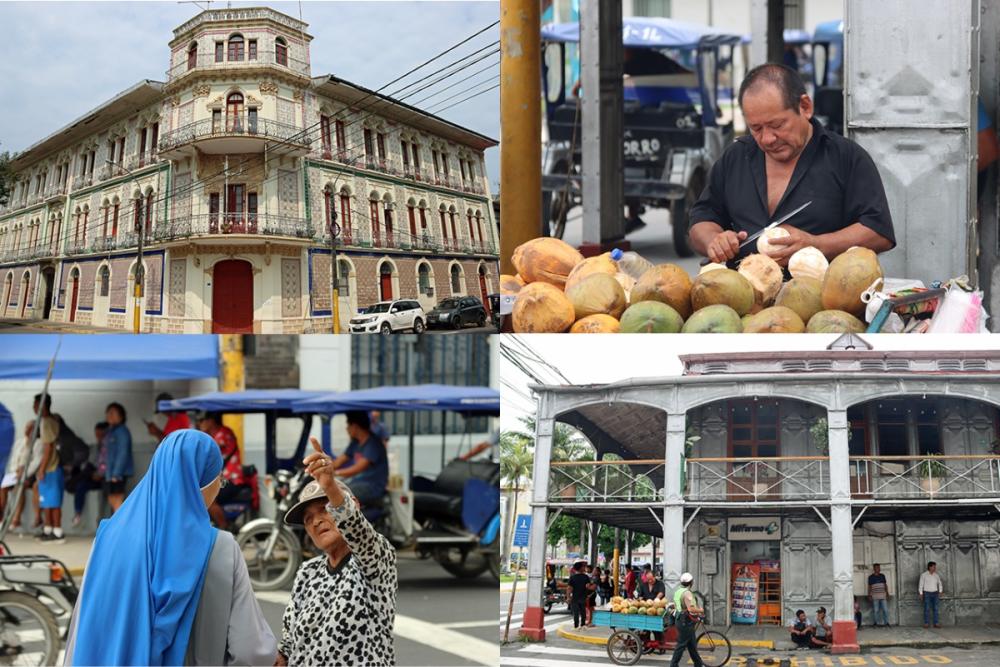
Cultural melting pot: city landmarks include La Casa de Fierro (bottom right)
Feeling ill just hours after landing from something seemingly innocuous I had eaten, I had purchased an unreadable, unpronounceable packet of tablets in a tatty cardboard box from a ‘chemist’. Erring on the side of caution, I opted to wait until we embarked on our riverboat, which travels with medical staff, to check them out.
Auto-rickshaws in action on the streets of Iquitos
Extraordinary From Start to Finish
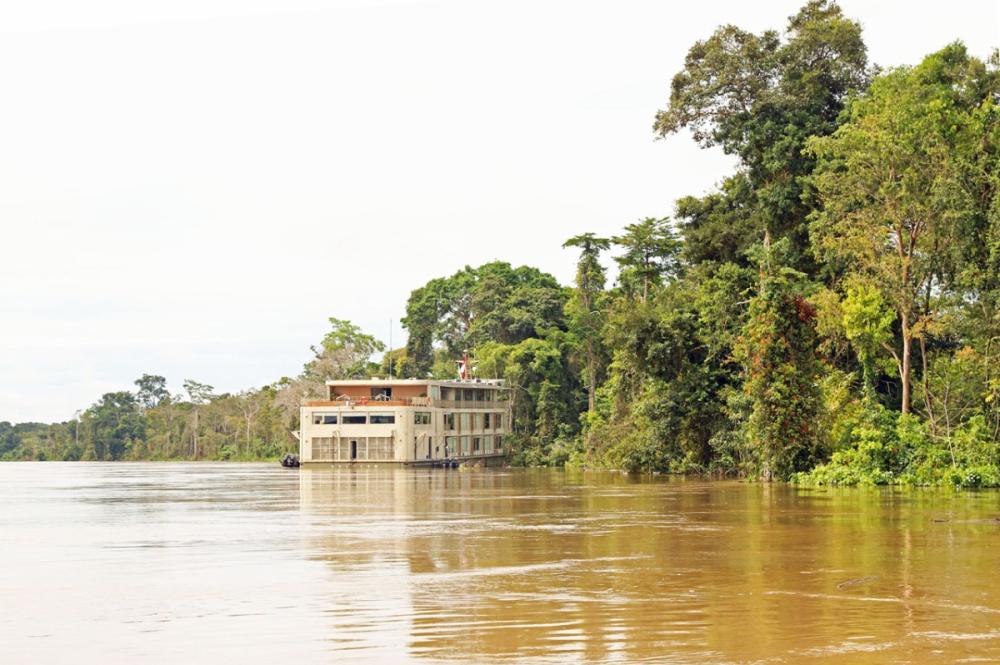
Stately Jungle Queen: Delfín III riverboat
With 22 suites accommodating up to 44 guests (we set off with just 28 passengers), a spacious restaurant, bar, gym and sundeck pool, it was a dream vessel. The cuisine and conviviality during dinner was a perfect opportunity to meet fellow guests, who hailed primarily from the UK and the US.
The sunset, which transformed from deep pink hues into an orange blaze, made me tingle with excitement as we sailed into the Upper Peruvian Amazon. I kept wondering what lay ahead as I set my phone to the unearthly hour of 5.30am for our first expedition.
Navigating Narrow Tributaries And Flooded Forests
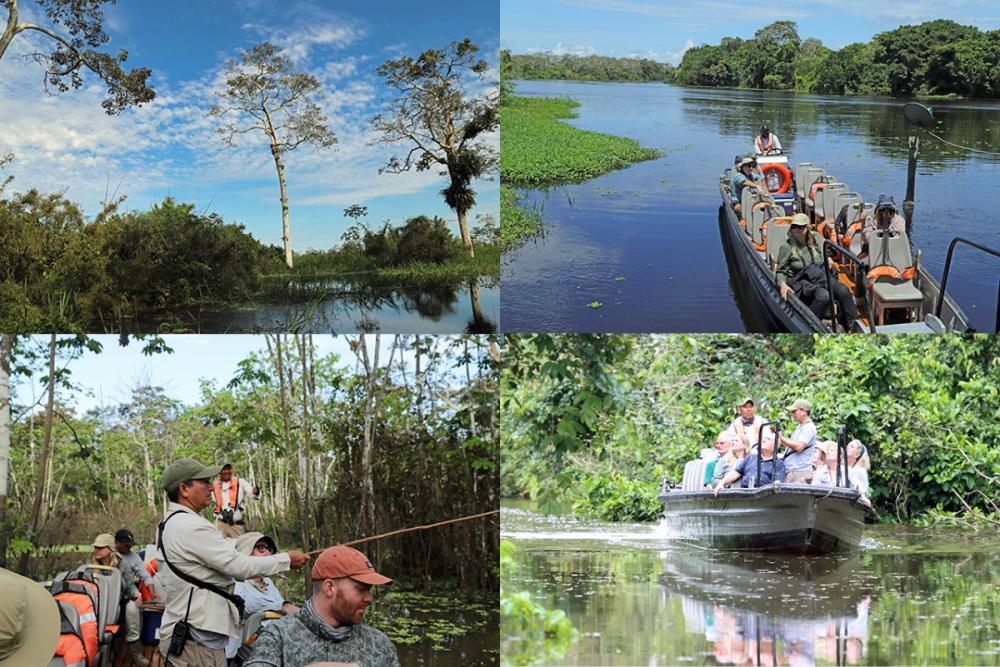
Experiencing the rainforest’s marvels
Motorised skiffs carrying eight-passengers navigated us through narrow tributaries and flooded forests. Our guides, most of whom grew up in the rainforest, were a mine of information and great fun. There was also a paramedic on board every trip.
Wildlife Paradise
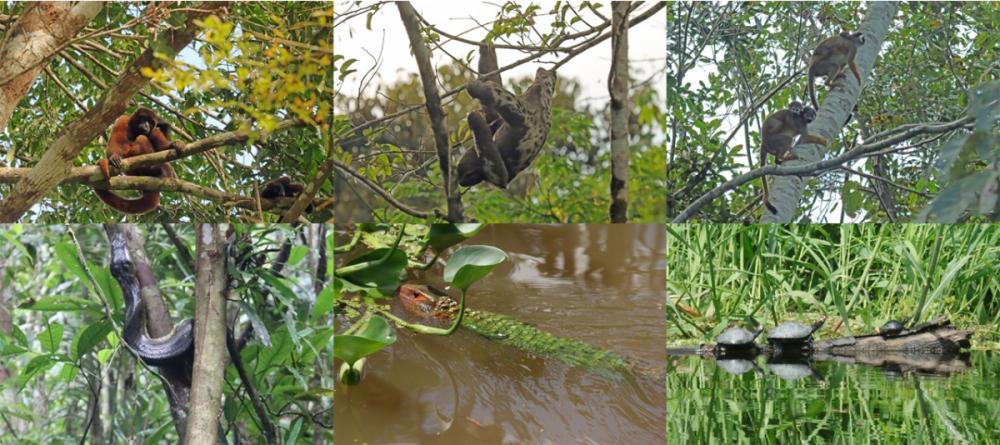
Diverse inhabitants: top row left to right woolly monkeys, sloth, squirrel monkeys. Bottom row left to right : anaconda, northern caiman lizard, Amazon river turtles
Observing the antics of monkeys of which there are thirteen species, there was a stark contrast between the large, slow-moving, woolly monkeys and the significantly smaller, more agile and animated squirrel monkeys who were having the time of their lives.
Becoming more attuned to the environment and its natives, I loved the mild-mannered, two-tone Caiman Lizards and the sloths' survival mechanism of hanging out in trees to avoid ground predators. The Amazon river turtles, who help to balance the river’s ecosystems by consuming aquatic plants, seeds, and fruits were adorable and the anaconda - which can weigh in at over 550 pounds, terrifying.
All Creatures Great And Small
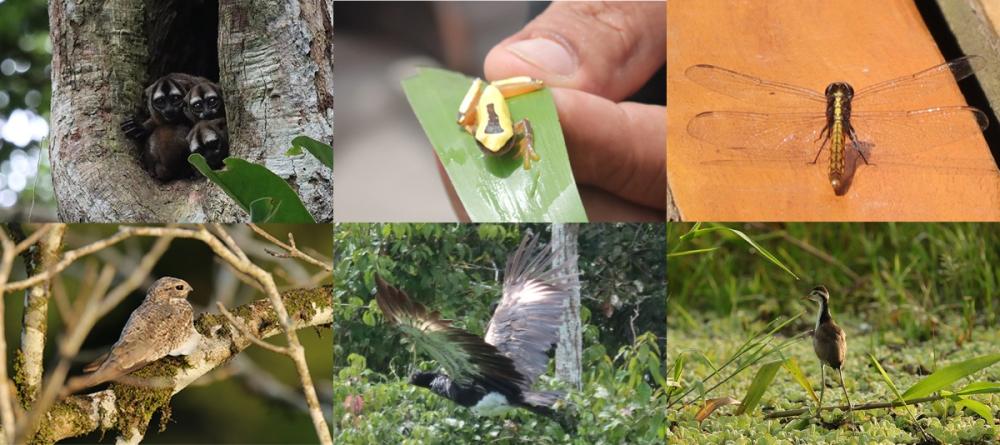
Smaller Amazon animals: top left to right, Nancy Ma's night monkeys, Triangle Treefrog, Square-spotted Dasher Dragonfly, Bottom left to right, Sand-coloured Nighthawk, Horned Screamer, Lily Trotter
Among the smaller gems are Nancy Ma’s night monkey. Strictly nocturnal and extremely sociable, they are just over a foot long, weigh less than two pounds, with distinctive large brown eyes.
At just seven millimetres, the Brazilian flea toad, who relishes the damp of the southwestern Amazon basin covering Peru, is the smallest creature in the rainforest and across the globe.
Close Encounters: World’s Largest Spider
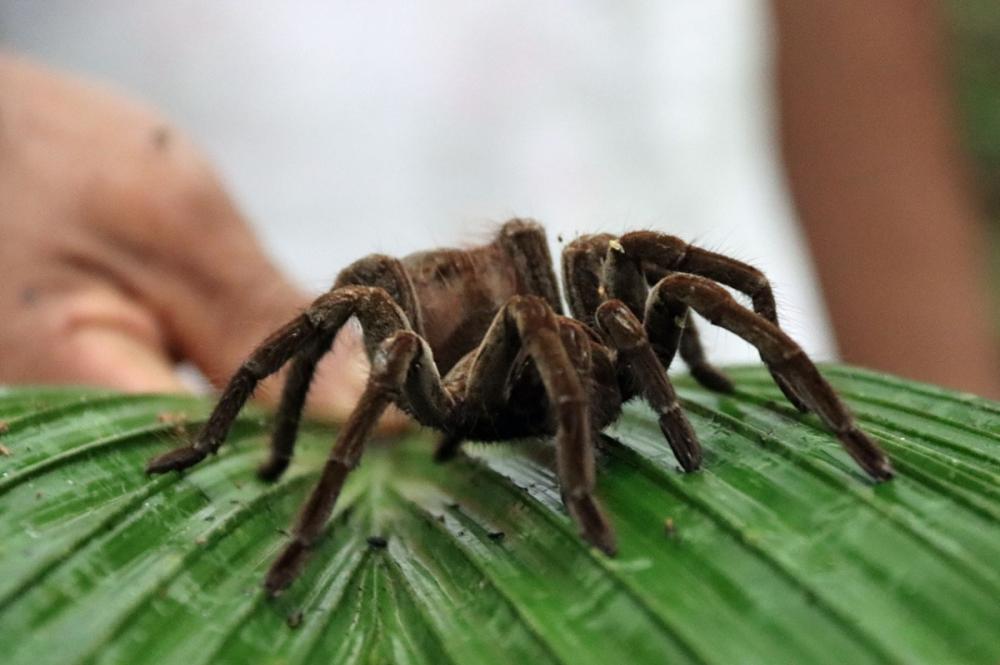
Friend or foe?: Goliath bird-eating tarantula
I kept my distance as the more intrepid of our group relished placing the tarantula on each other’s arms (thankfully they wore jackets) for photographs. While a bite from one would not be fatal, I wasn’t hanging around long enough to find out.
Insights Into Local Villages
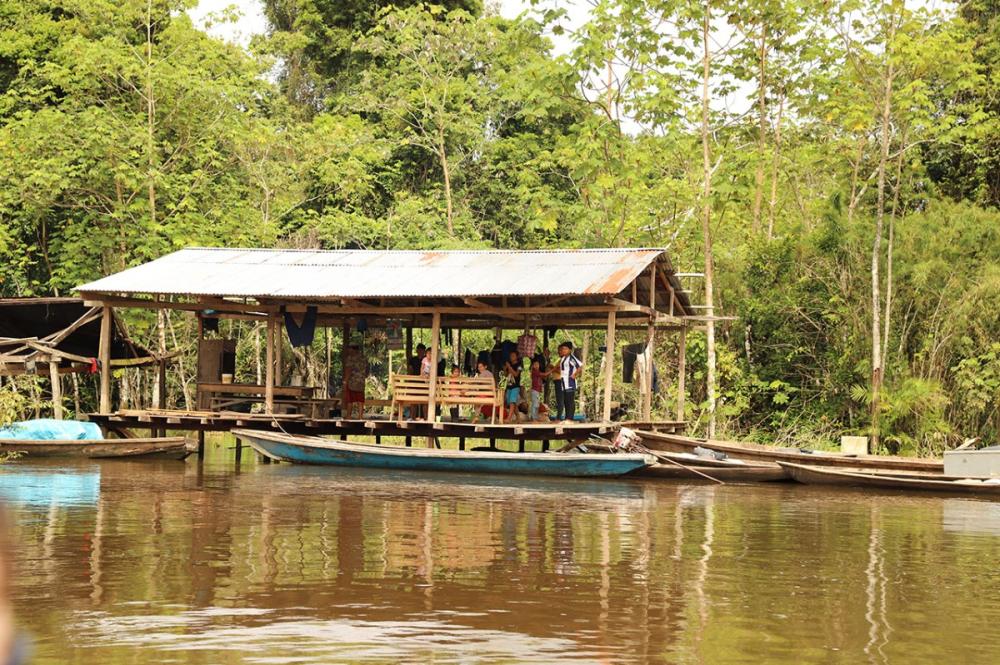
Local communities regularly welcome visitors
Many travel operators support them through sustainable tourism initiatives. Delfin's ‘Helping Hands’ programme provides key resources such as water filtration systems, boat engines, and annual school supplies to around 15 villages. Its paramedics also take medicine and healthcare instructions to locals.
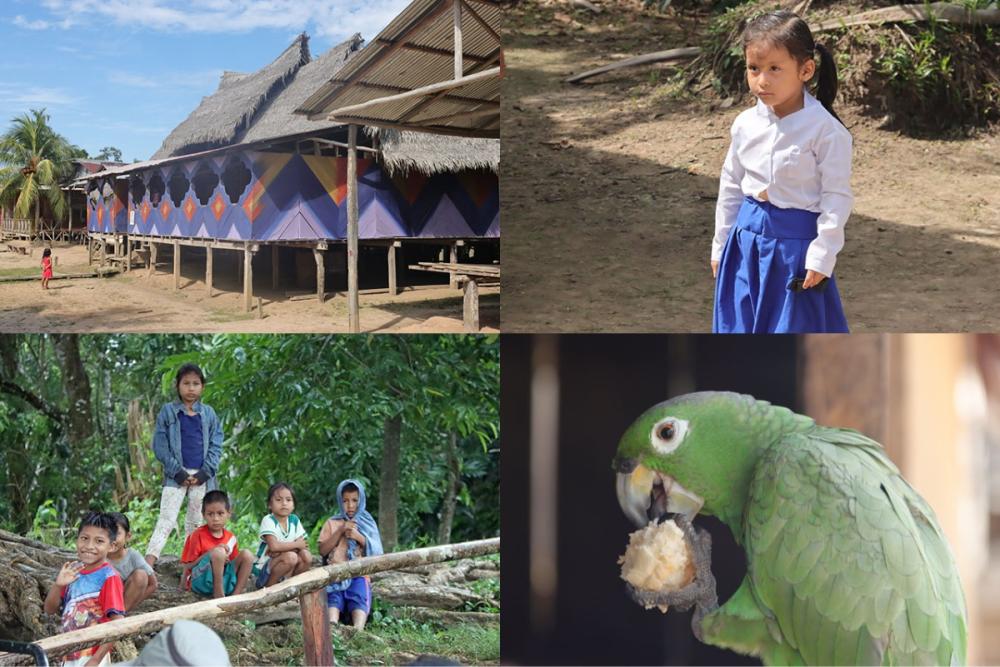
Over ninety communities and villages live within the protected reserve
Devoid of the trappings of consumerism and commerciality, their life is simple and it was refreshing to be among people who have so little and are so happy. I bought home fabulous local crafts of miniature monkeys, birds, and pink dolphins which sustain my precious connection with the rainforest’s special dwellers.
Fishing For Piranha
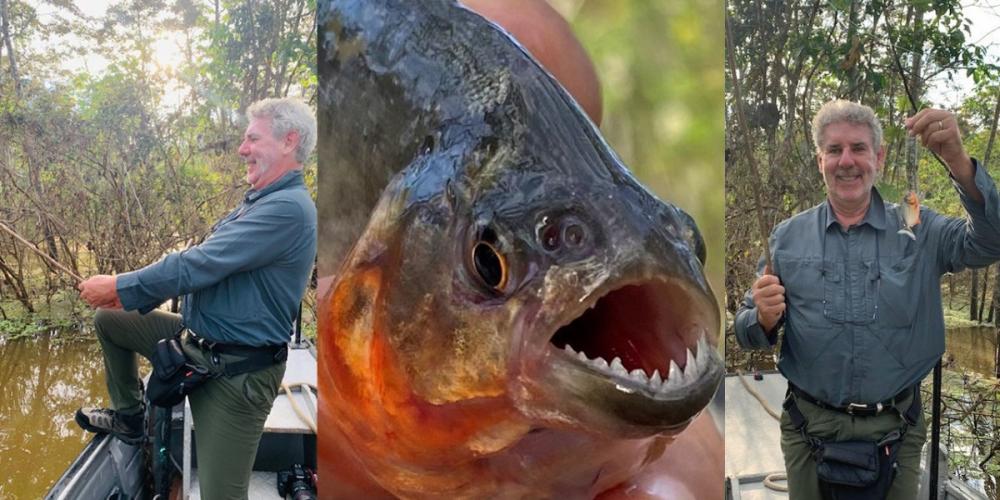
Gone fishing: Steve’s colossal efforts entertain passengers
Hunted by humans, wading birds, large fish and dolphins, piranhas ambush their targets - primarily fellow fish, crustaceans and worms - from the water’s edge.
Our fishing expedition was an absolute hoot as Steve hooked a bite-size piranha to the amusement of our guide and group before freeing it back into the black water.
Oasis of Water Lilies
Giant Amazon water lilies are vital to rainforest ecosystems
Their vibrant green chimed with their lush setting, and, while they had no passengers on board that particular day, their buoyancy capabilities enable them to carry small animals including baby caimans, lizards, and wading birds. I had last seen them in Kew Gardens and was thrilled to experience their beauty in their native environment.
Symphonies And Serenades: Amazonian Birdlife
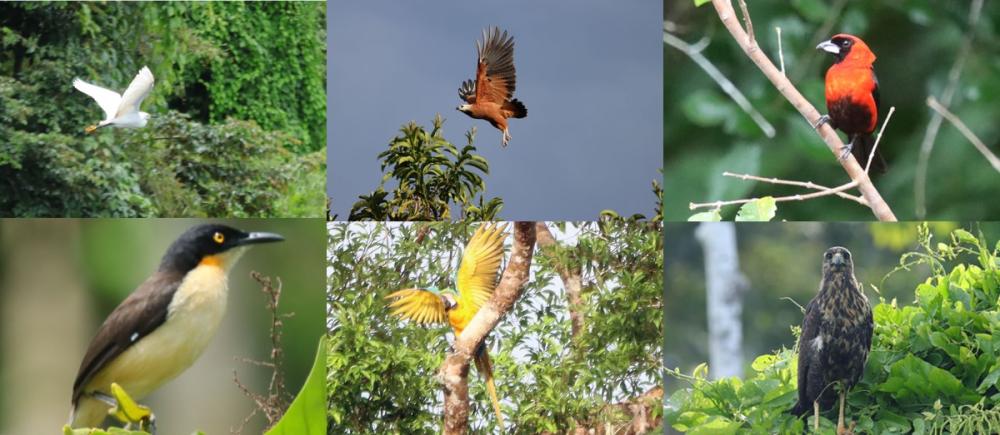
Wondrous birdlife spans top row left to right: Snowy Egret, Black Collared Hawk, Masked Crimson Tanager, and bottom row left to right : Blackcapped Donacobius, Blue and Yellow Macaw, Common Buzzard
While living close to a nature reserve in Northumberland has piqued my interest in our feathered friends, nothing can compare with the spectacular colours of their Amazon counterparts. My favourites were the Macaws with their striking plumage - and whose screams can exceed one hundred decibels.
Ariana, a fellow passenger and avid birder, spotted stunning featured creatures before the guides, further enriching the experience with her wealth of knowledge. I enjoy staying in touch with her through Instagram where her posts of sightings in exotic climes brighten the dullest winter days.
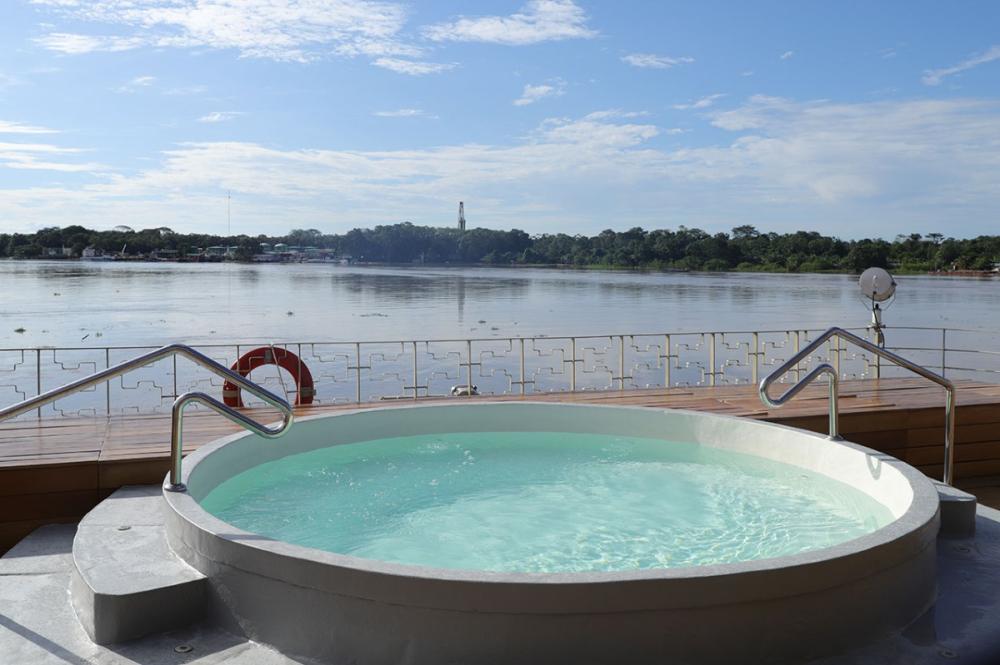
Ensconced in nature: relaxing onboard
The Peruvian Amazon rainy season is May- September, the dry season is November to April
KLM flies direct from London Heathrow to Lima, flight time is 13 hours
Delphin Amazon Cruises
Peru Travel
Sharon and Steve’s Amazon adventure was part of an extended tour of South America which included Buenos Aires, Machu Picchu, and Ushuaia, The End of The World.
Also by Sharon Cain...
Reflections On A Sensational African SafariThe Anastasia File: Imperialism, Evil, Fact And FictionMotorhoming Switzerland: Mingling With The Rich In St MoritzThe Car Man: Roaring With Sexuality, Lust, And VengeanceLush Islands, Medieval Walls, Cascading falls: Croatia's Sensory FeastThe shortened address for this article is: newspub.uk/31zvs