


search
date/time

Sun, 1:00AM
broken clouds
10.1°C
W 4mph
broken clouds
10.1°C
W 4mph
 | Sunrise | 4:53AM |
| Sunset | 7:25PM |  |
P.ublished 22nd August 2026
nature
Barn Owl Pellets Reveal Rich Mammal Community At RSPB Saltholme
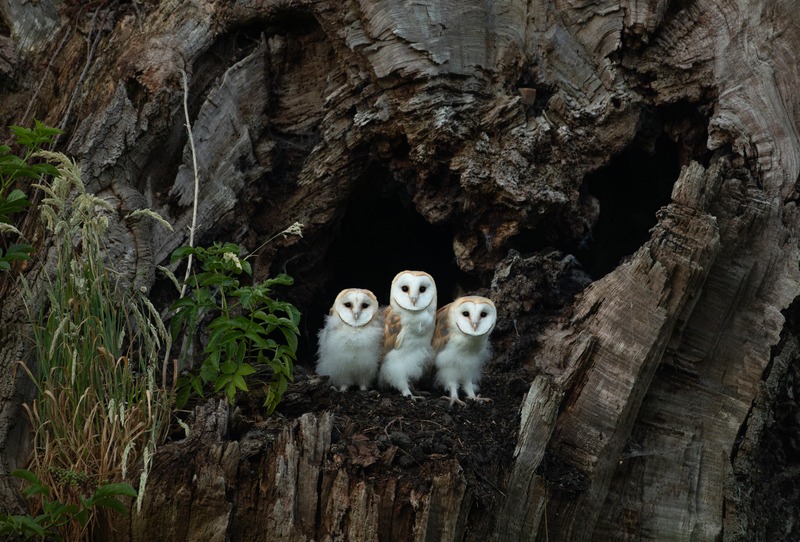
Barn owl Tyto alba, chicks sitting at nest entrance in old tree, Bedfordshire
Photo: Ben Andrew
Barn Owls have never been known for their discretion when it comes to leftovers, and it is precisely this habit that has handed researchers at RSPB Saltholme an unusually detailed picture of the small mammals sharing the reserve.
Analysis of pellets collected from the site's roosting owls has found evidence of almost every species of small mammal recorded in Northeast England, providing fresh confirmation of just how much the reserve's mix of wetland and grassland habitats has to offer. The work forms part of the Mammal Society's "Searching for Shrews" project, now in its third year, which tracks small mammal populations across Britain alongside the spread of the non-native Greater White-toothed Shrew — the only Northeast species notably absent from Saltholme's tally.
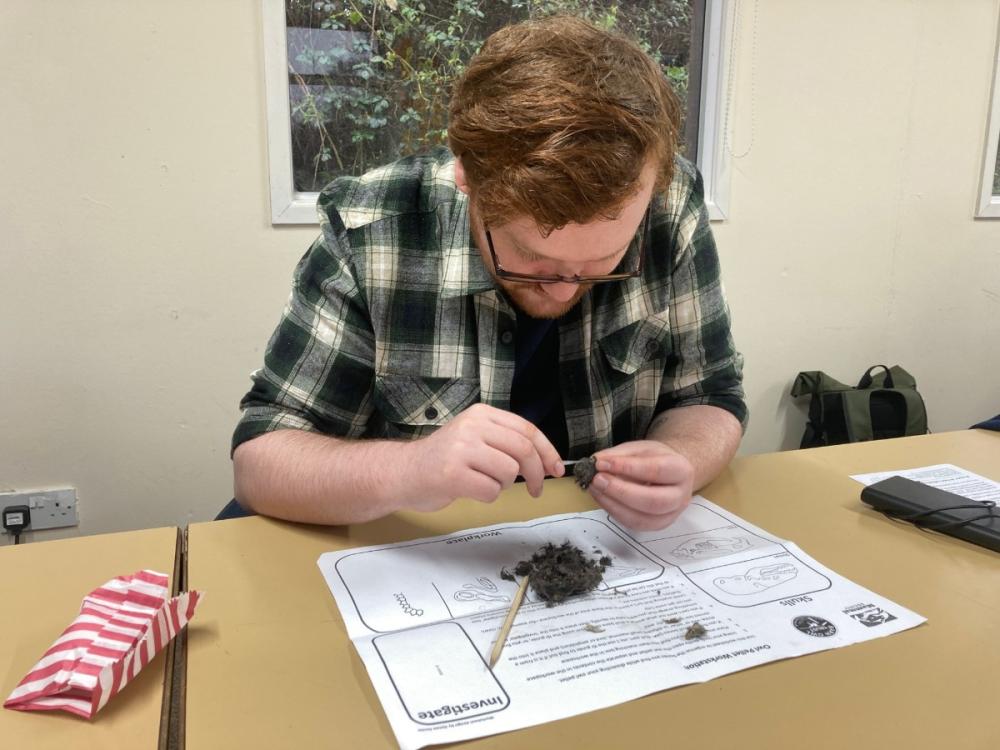
Dissecting Owl Pellets
Phoot: Ross Clifton
The Greater White-toothed Shrew, first recorded on mainland Britain in the Sunderland area in 2022, is of particular interest to researchers given its potential impact on native shrew populations. With the nearest known record just 12km away, Saltholme finds itself an important early-warning post for the species' spread. The Mammal Society's local group has now checked Owl pellets from more than 50 locations across the Northeast.
At Saltholme, the study found the Owls had been feeding on all ten species of small mammal known to occur in the region, bar the GWTS. The only other small mammals found more widely in England but missing from Saltholme's list are the Hazel Dormouse, the Fat Dormouse and the Yellow-necked Mouse.
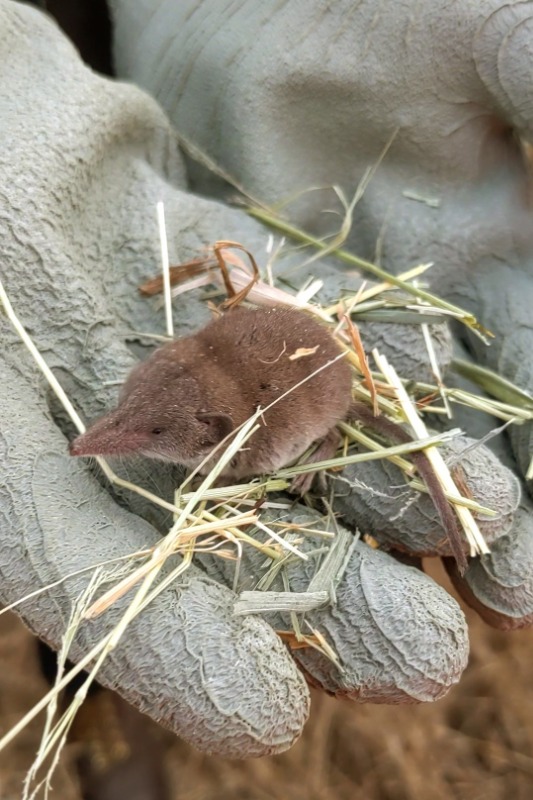
Greater White Toothed Shrew juvenile
Photo: Liz Sweet
Barn Owls make particularly useful research assistants in this respect. Their diet offers a snapshot of the small mammals living nearby, since much of their prey is swallowed whole before being regurgitated as pellets containing the indigestible bones and fur — sparing researchers the trouble of trapping the animals themselves.
Water Shrews emerge as especially abundant at the reserve: Saltholme accounts for just over a tenth of all pellets analysed across the Northeast survey, yet more than a third of all Water Shrew remains identified. The figures speak to the range of habitats created and managed at Saltholme, not least its extensive wetlands.
"These findings demonstrate the habitats we've created and continue to manage at RSPB Saltholme are providing homes for a great variety of small mammals, such as Water Voles, Harvest Mice and Water Shrews," said Chris Francis, Senior Reserve Manager at RSPB Saltholme. "There's a good deal more to learn, and when it comes to surveying them, nothing beats an Owl to tell us about what's here. Of all the birds seen at Saltholme, nothing excites visitors more than seeing a Barn Owl hunting over the meadows. Beautiful to look at and so well adapted as a hunter."
Saltholme currently supports four pairs of Barn Owls, one of which has successfully fledged seven chicks this year.
"The Barn Owl is one of Britain's most recognisable birds, famed for its ghostly silent flight and heart-shaped face," added Bond. "At Saltholme, the pellets they leave behind give us a fascinating picture of the small mammals living on the reserve, while helping us monitor for the arrival of the Greater White-toothed Shrew." Not a bad return, all told, for a bird whose research method amounts to little more than eating dinner and leaving the evidence behind.
The shortened address for this article is: newspub.uk/320oq
Search Results