


search
date/time

Sat, 10:00PM
clear sky
15.1°C
WSW 3mph
clear sky
15.1°C
WSW 3mph
 | Sunrise | 3:46AM |
| Sunset | 8:20PM |  |
P.ublished 23rd May 2026
lifestyle
Beyond Seizures: Why Epilepsy Awareness Matters
By Ryan Taylor
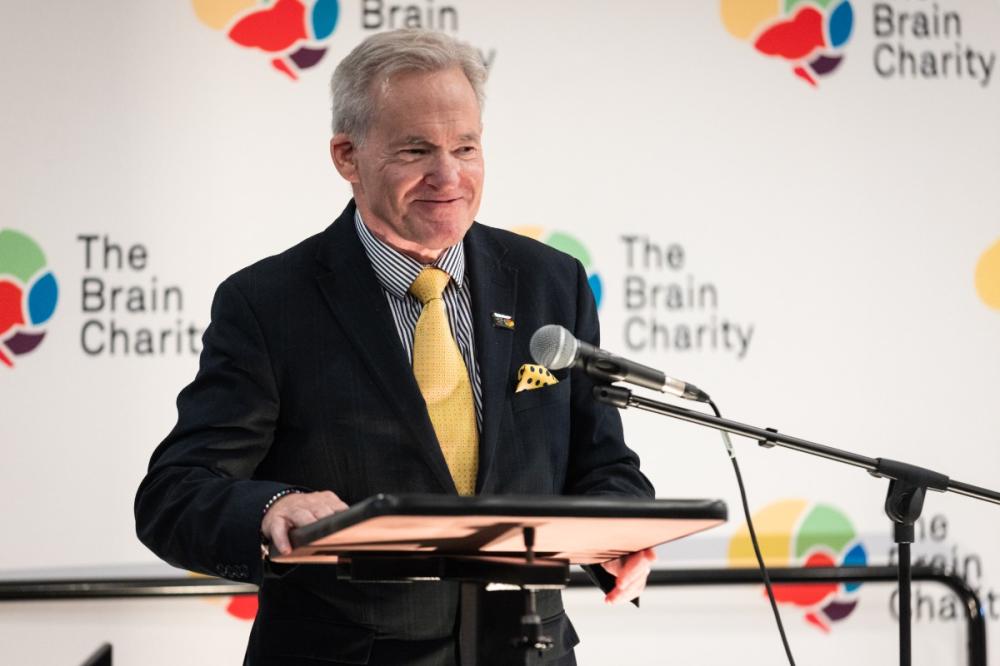
Professor Gus Baker
Over 50 million people globally are affected by Epilepsy, with nearly 80% of cases found in low/middle-income countries. Despite its prevalence, Epilepsy remains widely misunderstood and extends far beyond seizures.
Professor Gus Baker, Chair of Trustees at The Brain Charity and a world-renowned clinical neuropsychologist specialising in Epilepsy, says misconceptions surrounding the condition continue to create barriers for those living with it.
“Many people still think epilepsy is simply about having seizures, but the reality is far more complex,” said Professor Baker. “Epilepsy can affect a person cognitively, psychologically, emotionally, and socially. The condition often has a profound impact on confidence, independence, relationships, education, and employment.”
Professor Baker has spent over 30 years researching and supporting people with neurological conditions and currently serves as Secretary General of the International Bureau for Epilepsy and Vice President of Epilepsy Action.
He explained that one of the greatest challenges people with epilepsy face is managing uncertainty.
“For many individuals, there is constant anxiety about when the next seizure may happen. That unpredictability can shape every aspect of daily life, whether that is travelling independently, participating in social activities, or pursuing career opportunities.”
Epilepsy is characterised not only by an enduring predisposition to generate epileptic seizures, but also by the cognitive, psychological, and social consequences that can accompany the condition. Many people living with Epilepsy also experience associated comorbidities, including anxiety, depression, fatigue, and memory difficulties.
“While there have been enormous advances in the medical management of epilepsy, the same progress has not always been made in supporting the wider emotional and psychological consequences,” Professor Baker explained. “These aspects are often neglected despite having a major impact on quality of life.”

The Brain Charity
“Early diagnosis and access to specialised care can significantly impact patient outcomes,” said Professor Baker. “Without appropriate support and treatment, Epilepsy can disrupt education, employment, relationships, and mental wellbeing. Increasing awareness helps people recognise symptoms earlier and seek appropriate help.”
Many individuals and families still find navigating healthcare systems challenging, especially those living with complex Epilepsy or requiring specialist services.
“Access to expert care and clear information is not always consistent,” he added. “Many people struggle to find the right support, particularly when it comes to the psychological and social impact of the condition.”
Professor Baker emphasised the broader impact that Epilepsy has on families, caregivers, schools, workplaces, and communities.
“Epilepsy rarely affects just one person. Families and carers often carry significant emotional and practical responsibilities. Parents may worry constantly about their child’s safety and future independence, while carers and loved ones can experience stress, exhaustion, and uncertainty themselves.”
He believes greater public understanding can play a crucial role in reducing stigma and improving inclusion for people living with Epilepsy.
“There is still misunderstanding and social stigma associated with epilepsy, despite how common the condition is,” Professor Baker said. “Understanding seizure first aid and creating inclusive communities can make a tremendous difference.”
Charities and support organisations continue to play a vital role in bridging gaps in support that are often unavailable through routine healthcare services.
“Organisations like The Brain Charity provide essential emotional support, information, advocacy, and practical guidance that many individuals and families rely upon,” Professor Baker said. “Awareness weeks are an important opportunity to start conversations, challenge misconceptions, and remind people living with epilepsy that they are not alone.”