


search
date/time

Sat, 7:00PM
overcast clouds
15.3°C
SE 3mph
overcast clouds
15.3°C
SE 3mph
 | Sunrise | 3:31AM |
| Sunset | 8:39PM |  |
P.ublished 6th June 2026
nature
British Garden Centres' No-Nonsense Guide To Keeping Your Garden Watered This Summer
Water wisely - Eve and watering can
Photos: BGC
Water wisely - water butt and watering can
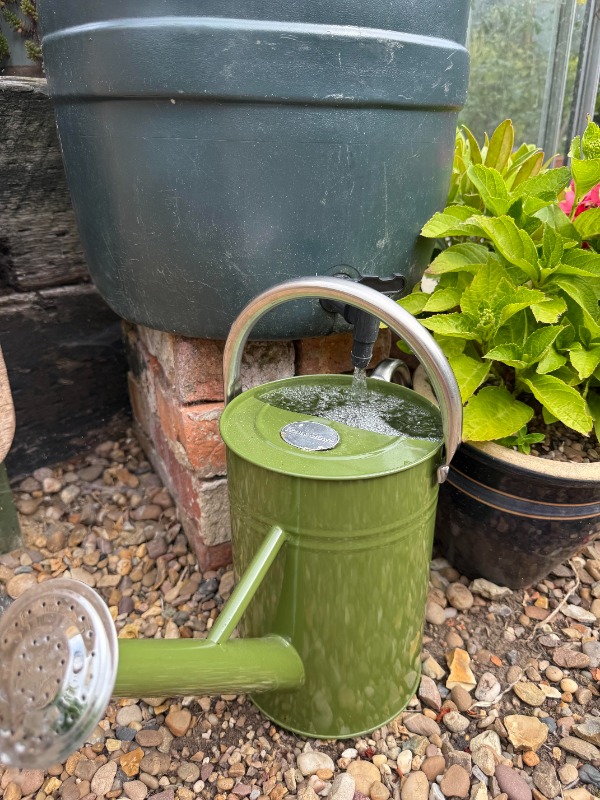
If you haven't got a water butt, it's the one thing worth sorting before the next dry spell. Most people think that to connect one, you have to do it to the house downpipe, but the shed and greenhouse are just as useful. Fix one to each, and you'll have a decent reserve ready whenever a shower comes through, however brief.
Also, don’t forget to use grey water from bathwater, shower water, and the final rinse from the washing machine, as this is also perfectly good for most garden plants. The main thing is not to leave it sitting in a bucket for days; use it within 24 hours and pour it at the base of the plant rather than over the leaves.
Water at the right time, not just more often
In summer, we recommend early morning as the best time in hot weather. The ground is cooler, the water soaks in before the sun gets to it, and plants go into the day in better shape. Watering in the late evening works just as well, too. What's worth avoiding is a quick daily splash as roots follow moisture, and frequent shallow watering keeps them near the surface where they're most vulnerable to heat. It is better to water less often but more thoroughly, so it reaches down to where the roots actually are.
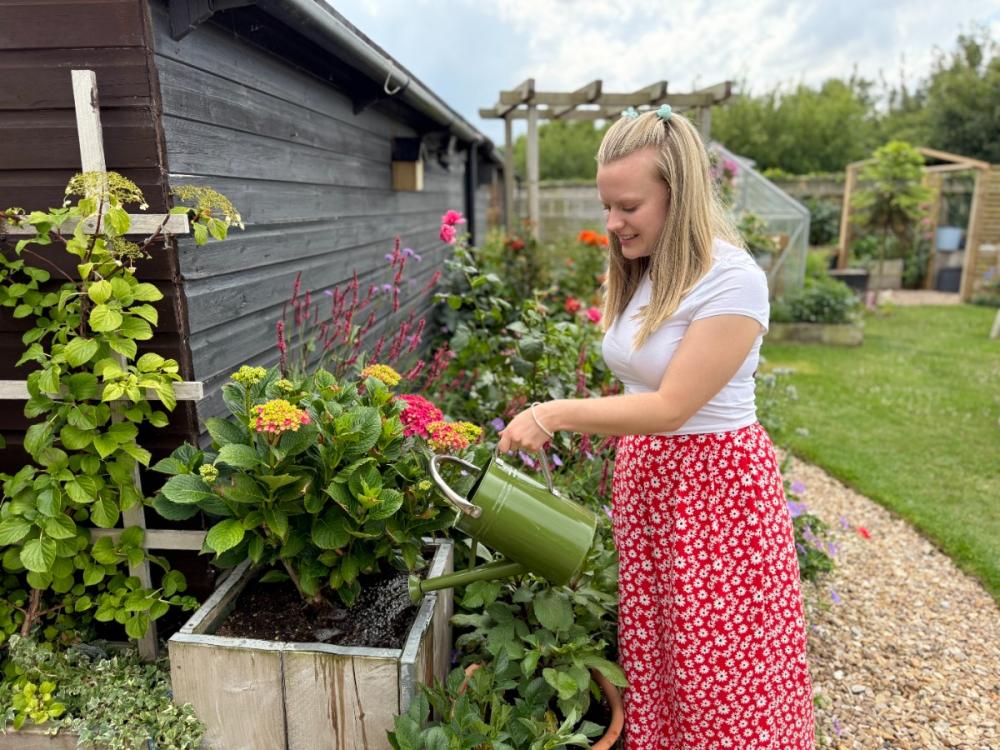
A watering can rather than a hose makes a bigger difference than most people expect. A hose gets through roughly five times as much water for the same result, and the slower pace of a watering can means you're more likely to direct it where it's needed, straight to the base of the plant, not across the surrounding soil or onto the leaves.
Mulching
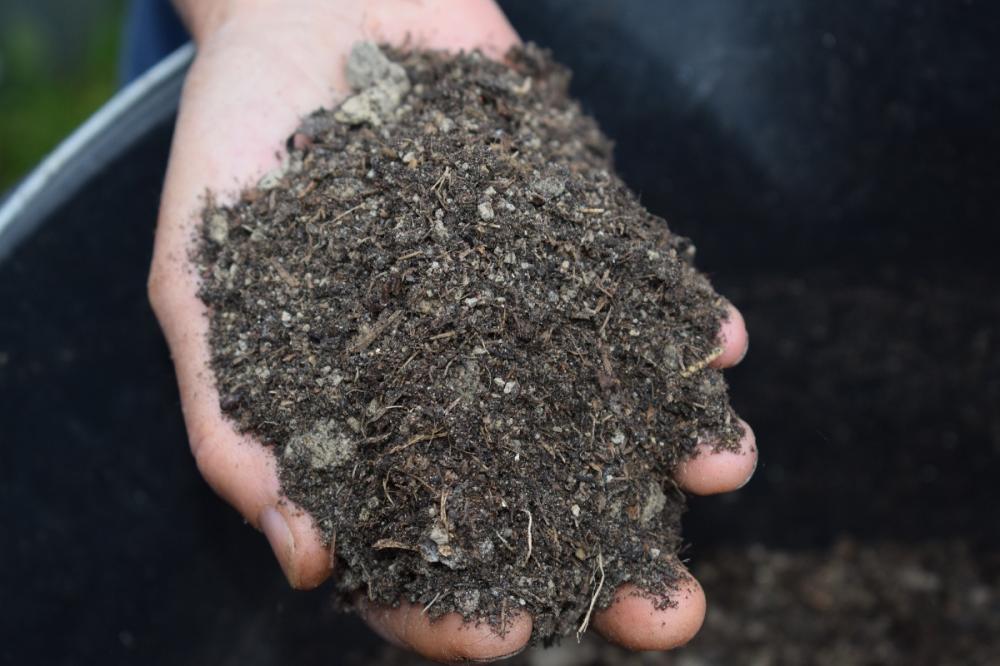
A layer of bark or compost mulch around the base of your plants keeps moisture in the soil for longer and means you can go further between watering. It also keeps the soil temperature down, which plants appreciate in a heatwave. Containers benefit from mulching as pots dry out much faster than open ground, and anything that slows that process helps. Gravel also works well in sunnier spots as it stops water running off the surface before it has a chance to sink in. Saucers under pots do the same job, and it’s a simple thing like this that makes a noticeable difference.
Matching plants to conditions
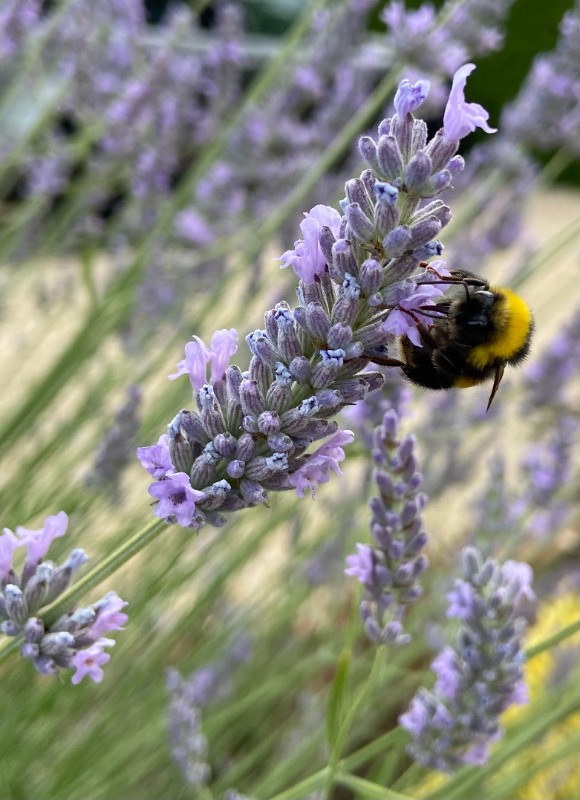
Mediterranean plant varieties like lavender, rosemary, thyme, sage, and oregano need little water once they're established. The same goes for ornamental grasses, sedum, verbena, eryngium, euphorbia, hebes, osteospermum and achillea. These are well-suited to the kind of summers we're now having more regularly and are good for pollinators, too.
Look for a moisture-retaining compost and a slow-release fertiliser to help the soil hold onto water more effectively. It will help a healthier root system to become deeper and more established, which means plants cope with dry conditions without needing constant attention.
Lavender for instant spring colour
These are worth knowing about if you have a lot of containers or tend to be away during the summer. They have a reservoir built into the base and a tube that lets plants draw up moisture as they need it. Your local British Garden Centres store stocks a range of them, and they take a lot of the guesswork out of keeping pots going through a hot spell.
Lawns
To keep your lawn shipshape in summer, raise the cutting height on the mower as longer grass develops deeper roots and handles dry spells much better than closely cropped turf. If the lawn goes brown, it will almost always recover once rain returns. A dry spell makes it look worse than it is, but your lawn is not dead; it is simply dormant.
For patches that need reseeding, look for a mix with a higher proportion of fescue. It's more drought-tolerant than most standard lawn seed and a sensible choice if your garden gets a lot of sun.
“The biggest mistake people make in warm temperatures is watering little and often. All it does is keep moisture near the surface, and roots stay shallow, and the plant becomes more dependent on you, not less. Give them a good, deep soak less frequently, and they'll push their roots down to find water themselves. A can rather than a hose, a water butt on the shed as well as the house, and a layer of mulch around the base are the three key things to ensure your garden will come through a hot summer in decent shape."