


search
date/time

Sun, 1:00AM
broken clouds
13.4°C
WSW 6mph
broken clouds
13.4°C
WSW 6mph
 | Sunrise | 4:15AM |
| Sunset | 8:10PM |  |
P.ublished 1st August 2026
nature
British Garden Centres' Top Sun-Loving Houseplants For Summer
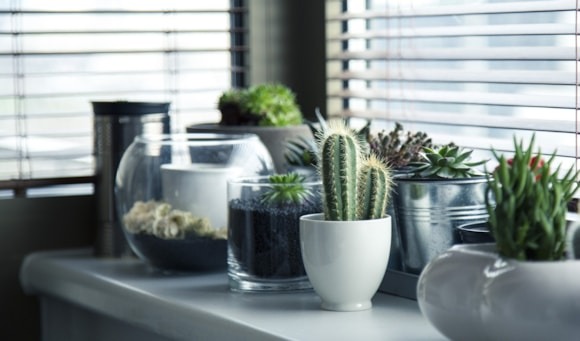
BGC Cactus
Photo: Pixabay
Succulents and cacti: These houseplants are an obvious starting point as they're forgiving, don't ask for much, and genuinely prefer as much direct light as you can give them, which makes them a good bet for anyone new to houseplants or short on time to fuss over them. A windowsill that gets sun most of the day is exactly what they want, and they'll happily sit there looking much the same for months without complaint.
Croton: A popular sun lover with its leaves coming in streaks of red, orange and yellow, but that colour only holds if the plant gets enough light. Put one in a dim corner, and it fades fast, dropping leaves and losing the contrast that makes it interesting in the first place. Give it a bright spot, though, and it becomes one of the most eye-catching plants in the room.
String of Pearls: Suits a hanging basket or a high shelf, somewhere its trailing stems can spill down into the light. It's become a popular choice for exactly that reason, as it loves the sun, and it's easy to see why once you've seen a mature one cascading over the edge of a pot. Like most succulents, it would rather be too dry than too wet.
Bird of Paradise: The one for anyone who wants a tropical piece of drama. Left in a bright, sunny spot, it puts out large, glossy, tropical-looking leaves that can make a real statement in a living room or conservatory. It takes a while to get going, but once established it grows quickly and can reach a fair size, so it's worth giving it room as well as light.
Jade plant: The quieter option that loves the light, jade is a slow-growing succulent that, in full sun, can outlast its owner. Many families end up passing them down, and it's not hard to see why: they need very little beyond a sunny windowsill and an occasional watering, and they seem to become more characterful, with thicker stems and denser growth, the older they get.
Aloe Vera: This sun worshipper earns its place for being useful as much as attractive. It likes a sunny windowsill, and the gel inside its leaves is a handy fix for minor burns and irritated skin, so it tends to end up in the kitchen as often as anywhere else. It's also one of the easier plants to propagate, producing small offshoots at the base that can be potted up separately once they've grown a little.
Where to position your sun-loving houseplant
Position is the main thing to get right with any of these plants. South or west-facing windows give the most direct light through the day, but it's worth easing a plant into full sun gradually rather than moving it straight from a shady spot, as the sudden change can scorch the leaves.
Watering
Watering habits also need adjusting, as succulents and cacti in particular would rather dry out completely between waterings than sit in damp compost, and overwatering is the most common way people lose them. Turning pots occasionally stops plants leaning towards the light on one side, and a liquid feed every few weeks through the growing season helps them make the most of the extra sunshine while they're actively growing.
The shortened address for this article is: newspub.uk/320dk
Search Results