


search
date/time

Sun, 1:00AM
broken clouds
7.1°C
NW 5mph
broken clouds
7.1°C
NW 5mph
 | Sunrise | 6:39AM |
| Sunset | 5:04PM |  |
P.ublished 17th October 2026
nature
Clear These Garden Spots This Weekend Before Wetter Weather Returns, Expert Urges
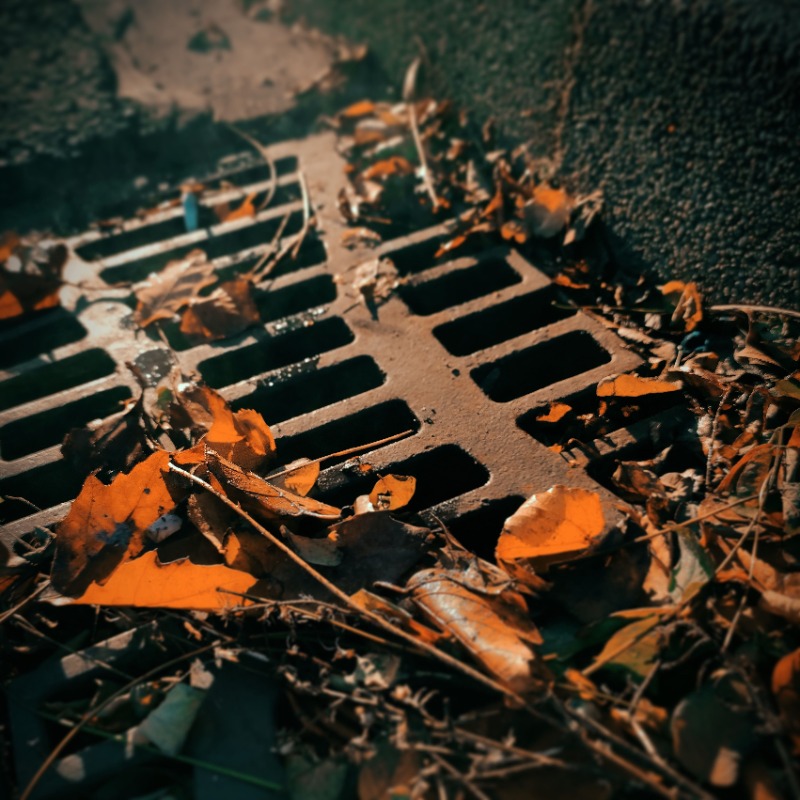
Image: Pascal Saur on Pexels
Householders are being urged to use this weekend’s dry weather to clear leaves from paths, remove debris from accessible drain covers and sort garden rubbish before the chance of rain increases next week.
In its update published on Thursday 15 October, the Met Office forecast a largely dry and settled weekend across much of the UK, with sunny spells for many on Saturday.
Rain and showers could affect parts of England and Wales on Monday and Tuesday, although forecasters say there is uncertainty about exactly where rain will develop and how widespread or heavy it will be.
Miroslav Radov, waste removal expert and founder of Rainbow Rubbish Removals, says a short, targeted clear-up can make the garden easier to manage as autumn progresses.
“Most people don’t want to spend their entire weekend clearing the garden, and you don’t need to,” says Miroslav.
Start with the places you use every day: the steps outside your back door, the route to your bins and the area around accessible drain covers.
It is much more useful to finish those jobs than empty the shed, rake the whole garden and leave everything in a pile you still haven’t arranged to dispose of.”
1. Remove leaves from accessible drain covers
Before rain arrives, check accessible outdoor drain covers for leaves, litter and loose debris that could obstruct water entering them.
Remove visible material from the surface where it is safe to do so, rather than sweeping it into the drain.
“Leaves tend to gather in the same corners, so look at where they have collected around the house,” says Miroslav.
“Pick them up and put them somewhere suitable. Pushing them towards a drain simply moves the problem out of sight.”
Householders should not lift heavy drain covers or attempt to clear underground blockages themselves. Persistent drainage problems need appropriate professional attention.
2. Clear the path you use to take the bins out
Wet leaves can make hard surfaces slippery, particularly on steps and frequently used paths.
Miroslav recommends prioritising routes to bins, sheds and side gates, rather than concentrating solely on the appearance of the lawn.
“Think about the route you walk while carrying a full rubbish bag, when it may be dark or raining,” he says.
Clear those steps and narrow paths first. Once you finish, put tools away and move bags out of the walking route.”
3. Separate leaves and cuttings from other rubbish
Autumn clear-outs can uncover broken plant pots, plastic packaging, rubble and damaged garden items mixed with leaves and cuttings.
Sorting materials as you go makes it easier to use the correct collection or disposal service.
“Keep suitable plant material separate from plastic pots, bags and general rubbish,” says Miroslav.
Check your council’s accepted materials before filling the garden bin. Something being used in the garden does not automatically make it garden waste.”
However, households should not be told they face an automatic fine for an innocent sorting mistake. Government guidance for England says councils cannot issue household waste receptacle fixed penalties for minor problems such as putting an item in the wrong bin by mistake.
Penalties under those powers require a breach that causes, or is likely to cause, nuisance or harm to local amenities, with a formal warning process.
4. Reuse suitable leaves instead of throwing everything away
Collected autumn leaves can be used to make leafmould, which the Royal Horticultural Society recommends as a soil improver or mulch. The RHS also advises removing fallen leaves from lawns so they do not smother the grass.
“You don’t have to treat every fallen leaf as rubbish,” says Miroslav.
“If you have space to make leafmould, keep suitable leaves separate from mixed waste. Focus your clear-up on the places where leaves are causing a practical problem.”
5. Don’t dump garden waste because it will ‘rot down’
Leaves, grass cuttings and branches are still waste when illegally dumped. Government guidance explicitly includes garden waste among the materials that can constitute fly-tipping.
In England, councils can issue fixed penalty notices of up to £1,000 for fly-tipping. This is a fixed-penalty maximum, not the maximum punishment available through the courts. The amount charged locally can vary.
“Something being natural or biodegradable does not make it acceptable to dump it in a lay-by, on someone else’s land or outside a recycling centre,” says Miroslav.
“Use an appropriate garden waste collection, compost suitable material at home or check what your local recycling centre accepts.”
6. Check who is taking your rubbish away
Householders paying a private business to remove waste should check its registration before handing anything over.
Government guidance directs people using a private waste collection business in England to check the Environment Agency’s register for a valid upper-tier waste carrier registration.
Failing to take reasonable measures to ensure household waste is transferred to an authorised person can result in a fixed penalty of up to £600 in England. Finding someone’s waste fly-tipped does not, by itself, prove that they breached their duty of care.
“Before booking a collection, check the registration and make sure the details match the business you are dealing with,” says Miroslav.
“Keeping a receipt and a record of who collected the waste is a sensible precaution. The job isn’t finished simply because the rubbish has disappeared from your driveway.”
Miroslav adds: “Use the dry weather where you have it to tackle a few manageable jobs. Clear the routes you need, separate the waste properly and decide where it is going before you start a bigger clear-out.”
The shortened address for this article is: newspub.uk/321c7