


search
date/time

Thu, 7:00PM
few clouds
16.2°C
SSW 6mph
few clouds
16.2°C
SSW 6mph
 | Sunrise | 6:08AM |
| Sunset | 5:43PM |  |
P.ublished 1st August 2026
travel
Doctor Explains Why Jet Lag Gets Worse As You Age – And The Simple Fixes That Actually Help
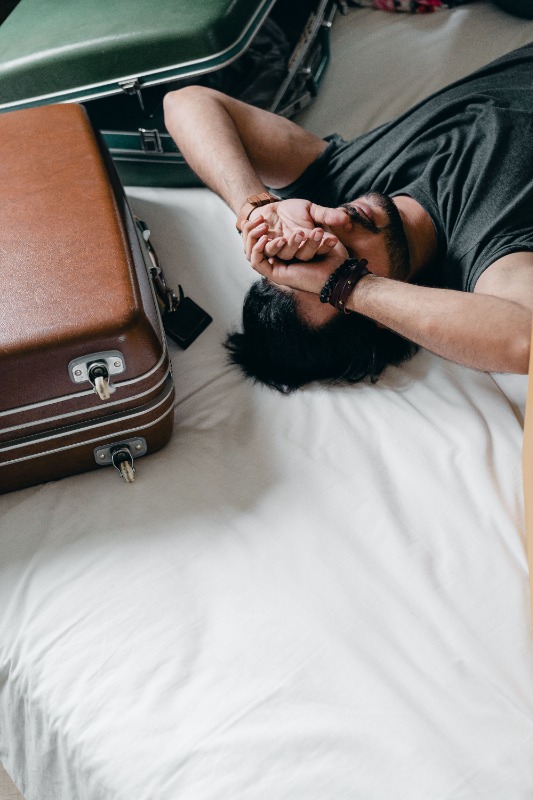
Photo: Ketut Subiyanto on Pexels
To help Brits maximise their time away this summer, travel insurer Total Travel Protection has partnered with Dr. Hana Patel, resident sleep expert at Time4Sleep, to offer essential sleep management tips.
What is jet lag and how does it work?
Dr Patel explains, “When we travel, particularly if it’s across several timezones, it can take up to a few days for our body clock to recalibrate itself. Jet lag is a temporary sleep and circadian rhythm disorder, typically causing fatigue, insomnia, headaches, and even digestive issues.
“The circadian rhythm is the body’s 24-hour cycle which regulates sleep, digestion, and hormone levels. When you travel across timezones, our internal clocks clash with the local environment; this is typically worse when travelling eastward. Jet lag typically lasts for one day per timezone crossed up to a general maximum of five days.”
Why does jet lag affect older people more?
Dr Patel continues, “Jet lag affects everyone differently, and the severity depends on personal factors like age, travel direction, and your natural body clock.
“Older adults, particularly if you are over 60, often take longer to recover from jet lag’s effects due to the natural circadian changes that occur with aging. As we age, our internal body clocks naturally shift earlier and flatten, causing biological signals to become quieter. These changes are driven by the deterioration of the brain’s central clock, (the suprachiasmatic nucleus), making us less responsive to environmental cues, and therefore less adaptable to schedule changes like jet lag.”
Sarah Findlay, travel expert at Total Travel Protection, encourages older travellers to consider Dr. Patel’s expertise, saying that enjoying holidays shouldn’t stop just because we get older; “While it’s unfortunate that jet lag often worsens as we age, a number shouldn’t stop you enjoying a holiday abroad.
“Travelling is an important part of our lifetime experience and will continue to enrich our lives as we grow older. With the right protections and systems in place, such as comprehensive travel insurance, mobility support, and well-planned itineraries, travel can become easier and more enjoyable, allowing us to keep exploring the world and getting the most out of life for longer.”
Are there any medications that work to beat jet lag?
Dr Patel shares, “Jet lag symptoms usually improve on their own after a few days as your body adjusts to the new time zone. Sleeping tablets are sometimes helpful if you are experiencing insomnia, but it’s important that they are only used for a short time and if symptoms are severe because they can be addictive.
“Melatonin tablets are not recommended on the NHS for jet lag because there is insufficient evidence to suggest that they work.”
Be cautious of napping
“While naps may be necessary, try not to nap for too long, as you may wake up even more tired. Long naps or naps in the late afternoon or evening can also throw off your sleep schedule even more, so if you do need to rest, restrict your nap to fifteen minutes.”
Avoid alcohol and heavy meals before bedtime
“Try not to drink alcohol too close to bedtime, and avoid heavy meals and caffeine at least three to four hours before heading to sleep. Alcohol significantly worsens jet lag, disrupting your sleep quality and accelerating dehydration. To combat these effects, drink plenty of water before, during, and after your flight.
“Light snacks like a banana or a handful of nuts can help boost melatonin production and promote muscle relaxation; try eating these foods one to two hours before bedtime to align with your circadian rhythm.”
Manage your stress with mindfulness
“Travel anxieties can affect our sleep quality, and stress can exacerbate jet lag symptoms by triggering the release of cortisol. Deep breathing, seated stretches, and progressive muscle relaxation exercises can help to lower stress during long flights.”
Strategic light exposure
“Your body clock relies on light signals, so spending time in bright, natural sunlight where possible during the day can help your schedule adjust to the new environment. Try to avoid bright screens or harsh indoor lighting as evening approaches.”
The shortened address for this article is: newspub.uk/320be