


search
date/time

Wed, 1:00AM
scattered clouds
13.1°C
S 11mph
scattered clouds
13.1°C
S 11mph
 | Sunrise | 5:05AM |
| Sunset | 7:07PM |  |
P.ublished 13th April 2026
frontpage
Free Travel And New Routes: Government’s Bus Revolution Hits Another Gear
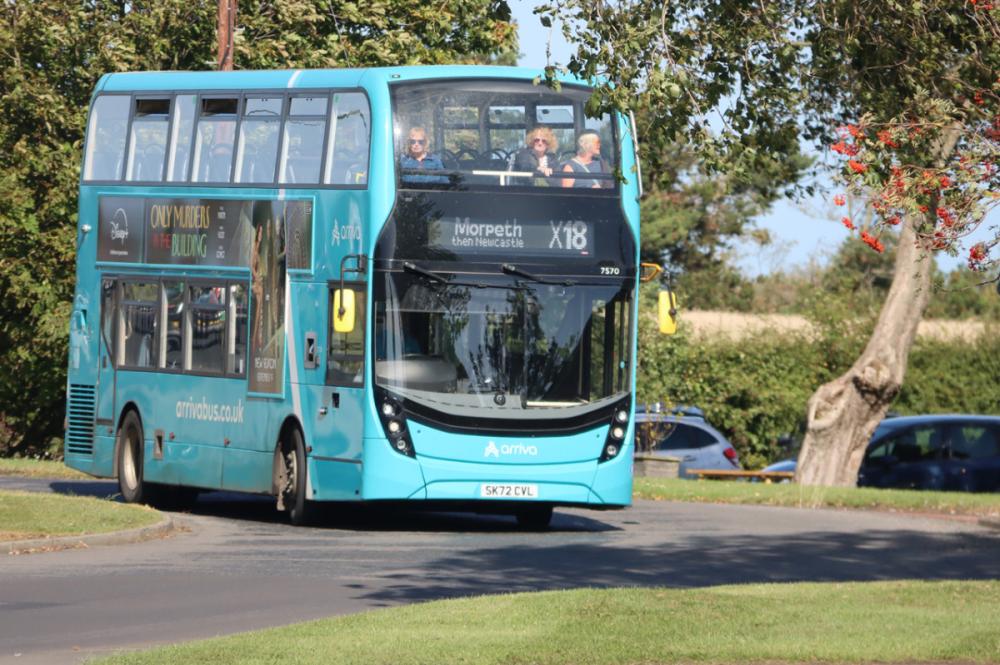
Photo: ©Steve Hare
With the cost-of-living crisis continuing to play a part in people’s everyday lives, local authorities are stepping up to make buses work better for everyone, reducing the burden on households.
Support comes as the government commits a further £3 million to better buses, supporting six mayoral authorities, to set up bus franchising, building on the success of the Bee Network in Greater Manchester.
Liverpool City Region Combined Authority
North East Combined Authority
West Yorkshire Combined Authority
South Yorkshire Mayoral Combined Authority
West Midlands Combined Authority
Cambridgeshire and Peterborough Combined Authority
From £1 fares for those aged 21 or under in the North East to brand new bus routes connecting rural villages for the very first time, councils are choosing to invest in the journeys that matter most to people's daily lives.
Liverpool City Region, which is on course to franchise its services by the end of 2027, has maintained its £2 bus fare cap and introduced new express services to Liverpool City Centre, while in the West of England, the £1 fare cap for children has been extended until Spring 2029, helping families with the cost of living.
Meanwhile in Norfolk, a new bus service has been introduced between Great Yarmouth and Caister into Norwich, serving several rural villages previously without a bus route into the city. This transformative new route is connecting isolated communities with jobs and education, showing the Government’s commitment to breaking down barriers to opportunity.
Many authorities are choosing to make travel completely free and in Barnsley all those aged under 18 are receiving free travel for the next two years, meaning young people don’t have to pay a penny as part of the school or college commute.
These schemes are all backed by the government, with more than £3 billion invested through the Local Authority Bus Grant between 2026 and 2029 - money that local leaders can spend on the things passengers actually need.
The result is a network that is becoming more affordable, frequent and connected, particularly for those in rural and less affluent areas who have for too long been left with no viable alternative.
Buses connect us to the things that matter most, yet for too long they have been in decline.
Thanks to record government funding, Mayor Tracy Brabin is investing in schemes that will make buses work for everyone. This includes introducing new services to Wakefield and keeping fares as low as possible through the Mayor's fares initiative.
I am also delighted to confirm that we are investing an additional half a million pounds to continue supporting West Yorkshire’s bus franchising journey, with the Weaver Network ensuring the best possible services, routes and fares for passengers who have been let down by poor bus services for far too long.
“Buses are a lifeline for millions and putting passengers at the heart of the network is the only way to ensure these services truly thrive. This investment is a positive step toward creating a more integrated and affordable transport system that works for the people who use it every day.
"Whether it is a young person in Barnsley accessing education for free or a resident in a rural Norfolk village finally being connected to their local community, seeing local leaders use this funding to break down barriers is incredibly welcome.“