


search
date/time

Sat, 10:00AM
clear sky
7.7°C
SSW 2mph
clear sky
7.7°C
SSW 2mph
 | Sunrise | 3:57AM |
| Sunset | 8:08PM |  |
P.ublished 11th May 2026
lifestyle
Get Moving For Your Mental Health
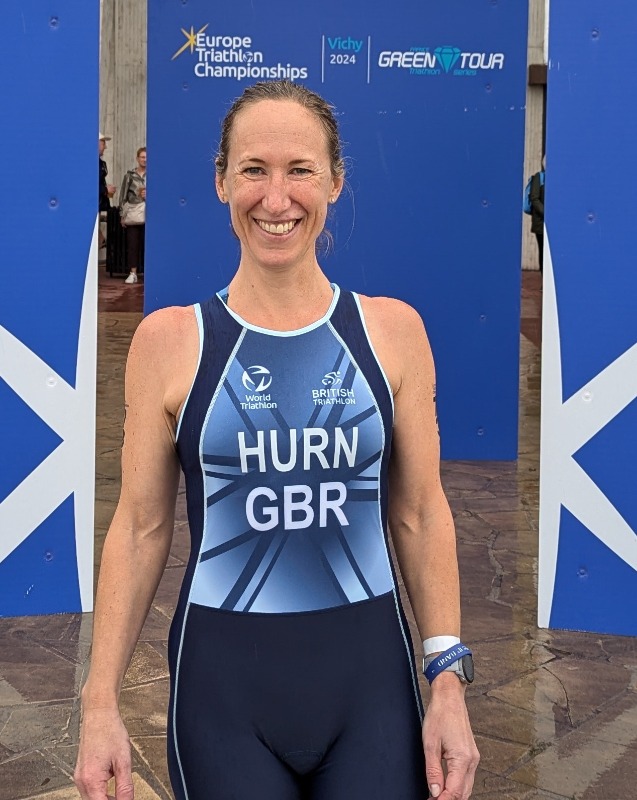
Lucy Hurn
For me, one of the most powerful and accessible actions we can take is simple: movement.
As a mental health and exercise coach (and the UK’s first mental health and exercise triathlon coach), I see every day how powerful exercise can be for wellbeing and good mental health. But I also see the barriers that can stop us taking that first step.
“I’m not good enough” — the real barrier to getting started for so many people
We tend to assume exercise is about fitness. In reality, it’s often about mindset.
The belief that we’re not good enough, not fit enough, and not the right body type.
That it will feel too hard.
That we don’t have time – or don’t deserve that time for ourselves.
Even once we start, exercise can bring its own mental health challenges.
We compare ourselves to others: “They’re faster than me," “They look better in lycra”, “They probably think I don’t look like a runner”.
Or we slip into unhelpful thinking around food and worth: “I can only eat that if I’ve exercised" or “I missed my workout, so I don’t deserve that”.
I constantly hear these thoughts from friends and clients. And I know how much they can damage our relationship with movement – and destroy the very benefits it could bring. But it doesn’t have to be like that.
Exercise should never feel like punishment. Exercise can bring out the best in us when we let it.
Taking action for Mental Health Week and beyond
Here are a few simple ways to start taking action to support your mental health through exercise and movement.
1. You don’t have to get sweaty
There’s an ever-growing body of research showing the benefits of walking for both physical and mental health, particularly when combined with time outdoors in nature.
You don’t need special kit, a gym membership, or even a plan. Just stepping outside and getting moving can make a difference.
Let your mind settle by focusing on the present moment
Try letting your mind settle by focusing on the present moment - notice what’s around you: trees, birds, light, colour. If you can, take your headphones off for a while.
2. Start small (even smaller than you think you should)
One of the quickest ways to stop yourself from starting is to aim too far ahead, too soon.
A 5–10 minute walk
A walk-run combination
A beginner gym class
A gentle movement session at home
Make it shorter
Make it slower
Make it easier
3. Focus on what you have done, not what you haven’t.
It’s so easy to compare - with others, or even with a previous version of yourself.
Instead celebrate what you have done.
If today you walked for five minutes, that counts.
And if that’s five minutes more than yesterday, that’s progress!
Because small steps don’t just add up - they build momentum. Five minutes today could be the key to unlocking 10 minutes tomorrow, and you keep building from there.