


search
date/time

Sat, 4:00AM
scattered clouds
3.6°C
W 4mph
scattered clouds
3.6°C
W 4mph
 | Sunrise | 3:57AM |
| Sunset | 8:08PM |  |

Jeremy Williams-Chalmers
Arts Correspondent
@jeremydwilliams
P.ublished 16th May 2026
arts
Interview
In Conversation Ella Clayton
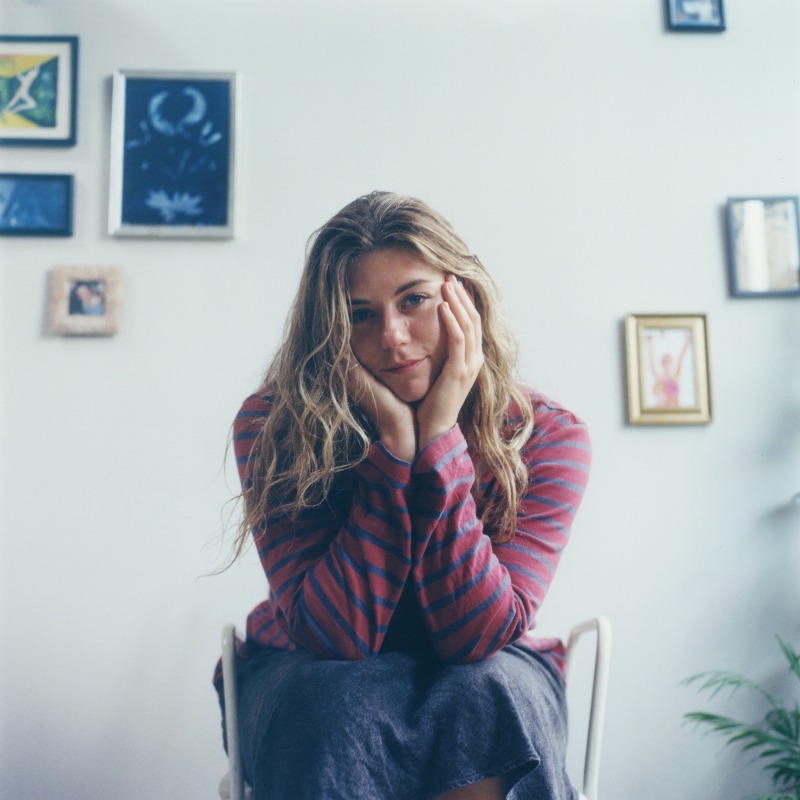
Thank you! This record came from a place of self-doubt, that sort of nagging feeling that there are a million different ways to live life and navigate adulthood, and somehow I was falling short. We’re living through strange, uncertain times, and I think a sense of loneliness and a yearning for clarity became major emotional drivers throughout the album.
You’ve described the album as a search for identity through others—did you find any answers by the end of making it?
Yes, for sure – I think the biggest realisation was that the answers I was searching for were already within me. Wanting validation from other people is such a human instinct, and sometimes it can feel great, but ultimately we’re the only ones who can truly define our lives and our sense of self-worth.
How does this album differ from your debut Murmurations in terms of both sound and personal growth?
I think Could It Be You? feels more direct and emotionally exposed than Murmurations. With my first album, I was still figuring out my voice and exploring different textures and ideas, whereas this record feels more intentional and grounded in who I am. It crosses more genres, and there’s a tension running through it that mirrors where I was emotionally while making it. On a personal level, I’ve become more comfortable sitting with uncertainty rather than trying to escape it, and I think that acceptance shaped both the writing and the overall feel of the album.
There’s a strong theme of modern love throughout—what aspects of relationships did you feel most compelled to explore?
A lot of the album explores the tension between wanting closeness and fearing what comes with it. I was interested in the ways love can become tangled up with validation, projection, and identity and how easy it is to lose yourself inside somebody else’s expectations while still craving connection. I also wanted to capture how fragile and fleeting modern connection can feel. A lot of the songs wrestle with the fear that intimacy is temporary or that vulnerability might push people away. But despite that anxiety, I didn’t want the record to feel cynical about love. There’s still a sense of wonder running throughout – the belief that even brief encounters or imperfect relationships can genuinely change us.
Please Me opens the album with a sense of guarded vulnerability—why did that feel like the right introduction?
I think Please Me sets the emotional tone for the whole album. It introduces this conflicted character who wants intimacy and connection but is also deeply guarded and unsure how to fully let someone in. That tension sits at the heart of the record.
Opening with that song felt honest because it immediately throws you into the uncertainty the album explores: questions around self-worth and validation. At the same time, there’s hope because beneath all the doubt is this genuine desire to be seen properly and to experience real closeness, which felt like the perfect doorway into the rest of the album.
Ripples tackles emotional territory that’s often left unspoken—was it difficult to be that open in your songwriting?
I think songwriting can sometimes give you permission to say the things you struggle to articulate in everyday life, and with Ripples I tried to follow that instinct completely. It was uncomfortable at times, but I also think that openness is what gives the song its weight. If I can write something rooted in my own experiences or those of people close to me, and someone else hears it and recognises themselves in it, or feels a little less alone, then that’s the most meaningful outcome for me.
The title track is based on a real (and chaotic) first date in Brixton—what made you want to turn that moment into a song?
It was such a disaster! Looking back on it now, there’s a lot of humour in the chaos of it all, and I liked the idea of capturing that mix of awkwardness, hope, and romantic projection that happens on a first date. Even though it clearly wasn’t working, there was still this part of me thinking, “...but could it be you?” I think that says a lot about the way we search for connection – sometimes we hold onto the possibility of something even when all the signs are telling us otherwise.
You recorded live with a band at Hotel Quebec studio—how did that approach shape the overall feel of the album?
Recording live with a band at George Ezra’s studio really shaped the entire DNA of the album. We tracked 12 songs (11 made the cut) in three days, so it was incredibly intense, but that pressure also gave everything a really immediate, instinctive energy that you can’t manufacture later. We mapped out the days beforehand, but some of the most interesting moments came from spontaneous collaborative moments. I feel so lucky to have worked with some of the loveliest, most talented musicians I know who gave their all to these songs!
Working with Lester Duval, what kind of sonic world were you both trying to build?
We were trying to build a sonic world that felt lived-in, human, and emotionally direct. Rather than overworking things later, our focus was on capturing performances with character, where you can hear people reacting to each other in real time.
We also wanted to keep things warm and slightly imperfect so the recordings felt less like a polished final product and more like a moment you can step into. That approach suited the themes of the album and was also a practical solution to limited studio time! I love working with Lester so much.
Dolomites brings in a more expansive, almost cinematic sound—what inspired that shift in energy?
Dolomites came from a feeling of emotional claustrophobia and wanting to escape, and I wanted the arrangement to feel restless and overwhelming at times, almost like the landscape swallowing you whole. The scale of the music felt important because the emotions in the song are so internal and bottled up, and making the sound bigger helped externalise that tension. Lester loves a melodyne and wanted that sickly fairground feeling.
Tell Me Something explores the inner critic—how do you personally navigate that voice as an artist?
With difficulty! I definitely haven’t mastered that inner voice yet. I try to stay grounded in the actual process of making music rather than constantly measuring myself against other people or how things appear online, but it's easier said than done. I’m definitely practising being kinder to myself and actively catching those negative thought loops before they take over, but yeah, it's an ongoing thing!
Mouth Said Money touches on disillusionment in the industry—what did that experience teach you early on?
I think it taught me pretty quickly that if you tie your sense of worth too closely to other people’s approval, you’re always going to feel slightly unsteady. There can be a lot of noise around what you should want or who you should be, especially early on, and it’s easy to lose sight of your own instincts in that.
I Miss Strangers reflects on lockdown isolation—has your relationship with connection and community changed since then?
Definitely. I wrote that song almost like a letter to my dad, who, like a lot of people, became really fearful of strangers during lockdown. Stranger interactions can be so uplifting, and playing live has deepened that feeling even more. There’s something quite magical about walking into a room full of strangers and, through music, leaving feeling genuinely connected to them! After lockdown, I think there was this rush to get back to “normal” straight away, and I definitely feel like I lost a couple of years of life in that time. But in reality, we’re still feeling the ripples of it. It’s such a buzzword, but community is the best antidote to a lot of the heavier emotions explored on the album.
The closing track As You Are celebrates platonic love—why was it important for you to highlight friendship in that way?
It felt important because so much of the album is looking at romantic connection, but in reality a lot of the love that holds us together isn’t romantic at all. Friendship and platonic love can be just as transformative and grounding, and I wanted to end the record by widening the lens a bit. As You Are is really about acceptance and presence and about the people who see you clearly without needing you to be anything other than yourself. After moving through all these questions around identity and validation, it felt right to close on something more steady and unconditional, like a reminder that connection doesn’t always have to be complicated to be meaningful.
With your album launch at 100 Club coming up, what can audiences expect from these songs in a live setting?
We’re going to play the album through start to finish, which I’m really excited about. There’s something really special about letting the record unfold in real time like that, especially in a space with so much history behind it.
I feel genuinely honoured to be launching the album at the 100 Club. It’s such an iconic room, and I hope we can create something that feels shared between us on stage and everyone in the audience, like we’re all part of the same moment as it happens!