


search
date/time

Tue, 4:00PM
overcast clouds
15.9°C
ESE 14mph
overcast clouds
15.9°C
ESE 14mph
 | Sunrise | 6:04AM |
| Sunset | 5:48PM |  |

Andrew Liddle
Guest Writer
P.ublished 6th June 2026
lifestyle
In Praise Of German Beer
Andrew Liddle shares his passion for German Beer and their drinking culture
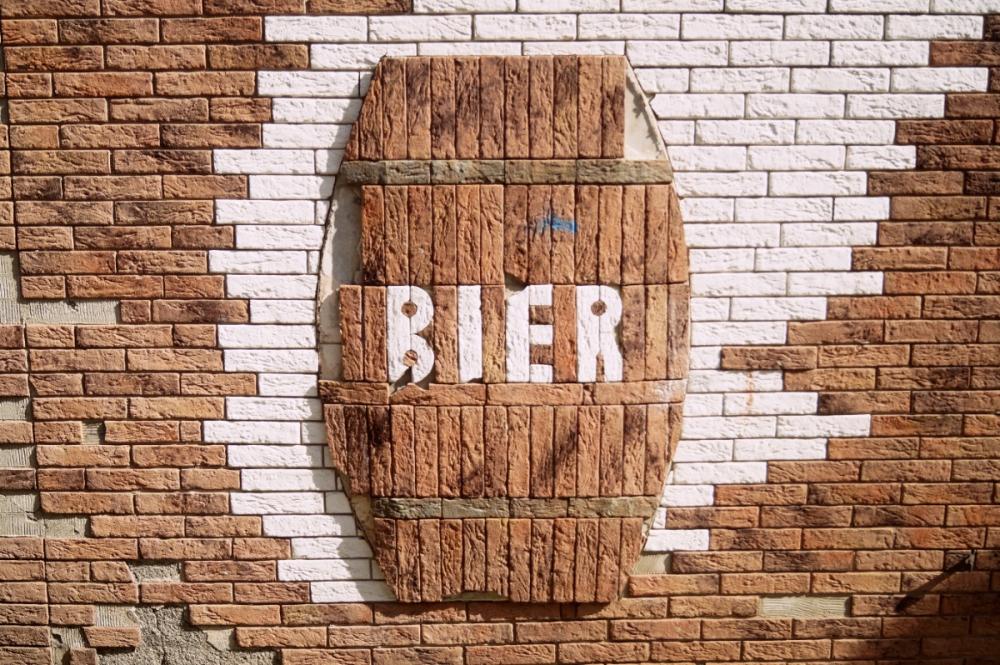
Image by M. H. from Pixabay
This idea is closely connected to the German concept of Feierabend: the point at which work is finished, obligations are put aside and the evening properly begins. A good beer forms part of that transition into relaxation, easing people naturally into sociability and comfort.
The country’s brewing traditions are not dominated by a single type of beer but by a family of distinct regional forms, each with its own character, customs and ideal setting. Pale lagers such as Pilsner and Helles, crisp and clean in taste, remain the staples. I find Pilsners tend to be drier, sharper and more hop-forward, while Helles lagers are softer, rounder and more malt-driven. Alongside them stand darker Dunkels, stronger Bocks and Doppelbocks, smoky Rauchbiers, cloudy Kellerbiers, wheat-based Weizenbiers and local specialities such as Altbier and Kölsch.
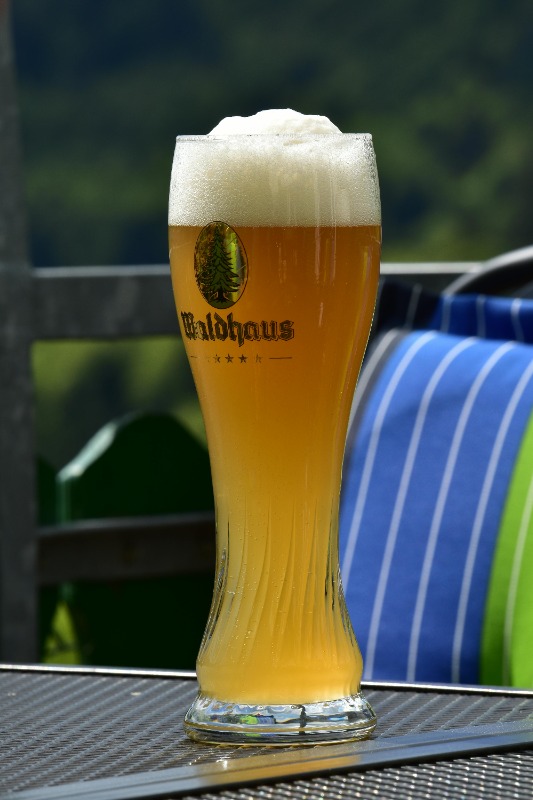
Photo: Carla Kroell on Pexels
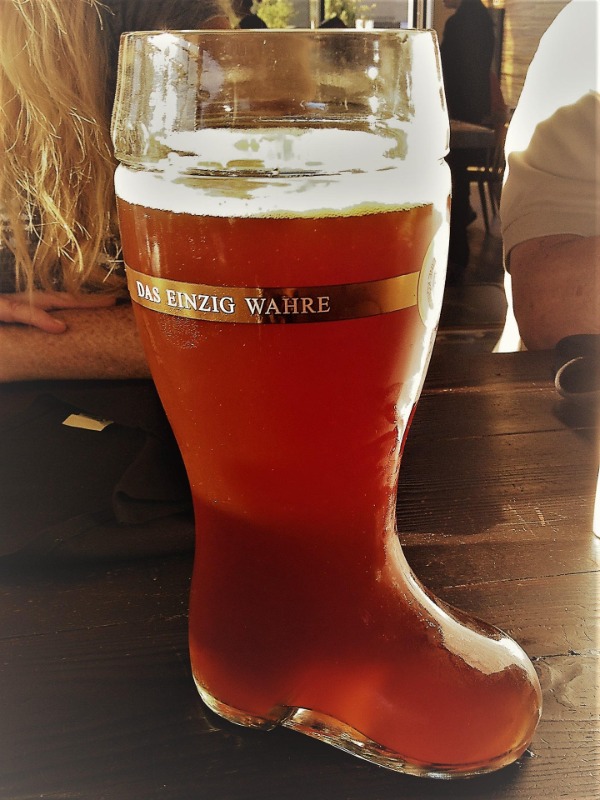
Image by LetsBhpy from Pixabay
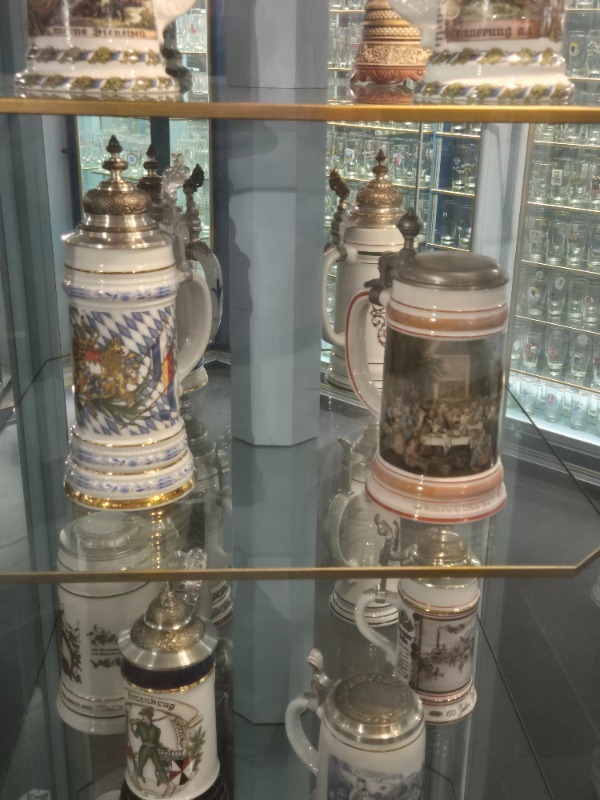
Even the glasses form part of the ritualised tradition and are not interchangeable. Tall narrow Weizen glasses are designed to showcase the towering white head and lively carbonation of wheat beer. The slender cylindrical Kölsch glass preserves delicacy and freshness through small, constantly replenished servings. Heavy stoneware mugs suit Franconian cellar beers and darker Bavarian lagers. Tulip and goblet glasses used for stronger Bocks help concentrate aroma and slow warming. In Britain we tend to angle the glass when pouring to avoid excess foam. In Germany, where brewers pour slowly to produce the optimum head, that habit can provoke puzzled looks.
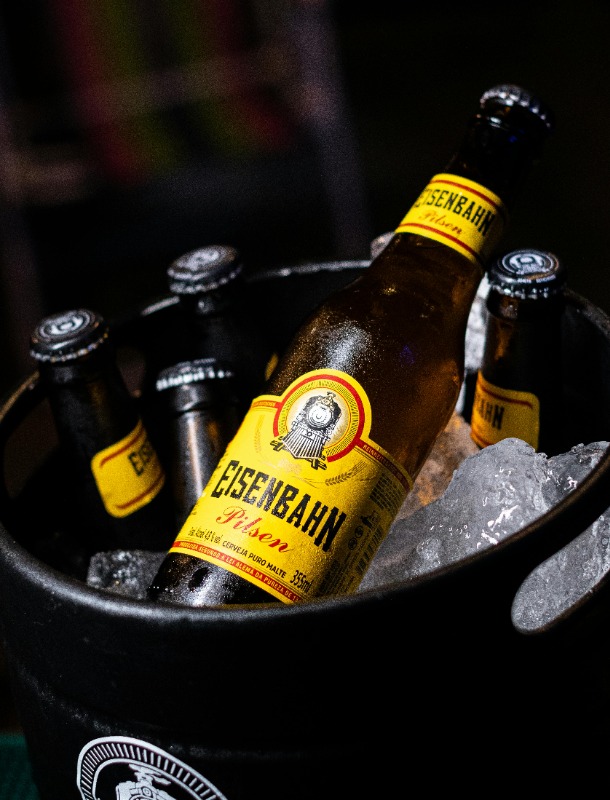
Photo: Gustavo Trotta on Pexels
This everyday character is reinforced by a brewing tradition that has remained relatively conservative. While many breweries elsewhere chase trends and new markets with heavily flavoured or over-complicated beers, German brewers remain faithful to styles they know well and have spent generations refining.
That conservatism is undoubtedly linked to the Reinheitsgebot, the Bavarian beer purity law first introduced in 1516. Although its importance is sometimes romanticised, it reflects a broader German preference for simplicity and technical precision in brewing. Traditional lagers are still generally made from nothing but water, malt, hops and yeast, with the emphasis placed on natural balance rather than artificially engineering flavour enhancement. The underlying assumption is simply that if the ingredients are good and the process is correct, leave well alone.
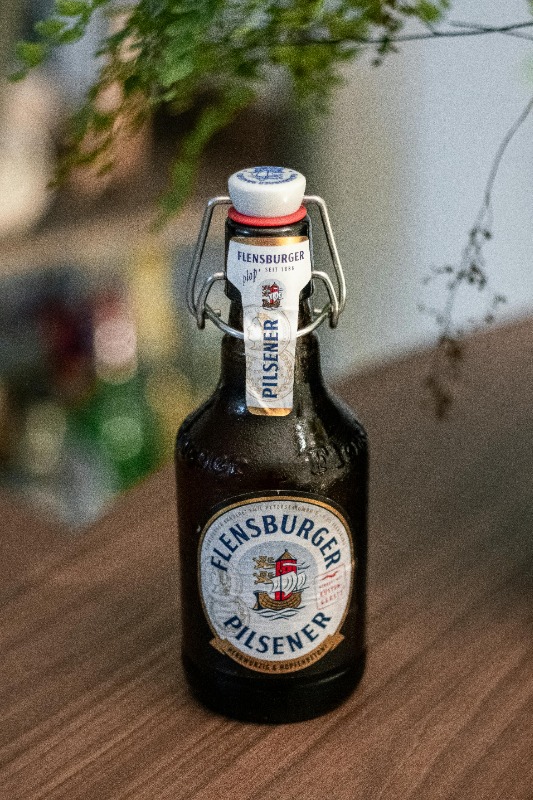
Two widely available German lagers have developed particularly devoted followings in Britain. Bitburger has a dry, slightly hoppy finish that makes it especially refreshing, while Warsteiner is smoother and a little fuller without becoming heavy. Yet these well-known imports by no means give British drinkers anything like the complete picture. Some of the best and most characterful German beers are still difficult to find outside their regions of origin.
In Munich, Augustiner is often cited by locals and visitors alike as the benchmark for Helles lager, archetypally soft and crisp.Tegernseer, brewed nearby, has developed something of a cult following among beer enthusiasts. It is a classic Munich Helles - delicate, slightly floral and built around a gentle biscuit-malt character, finishing dry and impeccably balanced. An evening in Munich is incomplete without a visit to Augustiner-Keller, where drinking beer beneath chestnut trees in the company of families, students and office workers captures the social ease that defines Bavarian beer culture. Oktoberfest, despite its global reputation, is essentially an amplification of this everyday reality, with large-scale good cheer built around quantities of well-made beer.
.jpg)
Franconia, in northern Bavaria, remains one of the country’s most distinctive and diverse beer regions, with small breweries and cellar taverns abounding. In Bamberg, a beautiful town on the River Regnitz, Mahr’s Bräu produces yeast-turbid unfiltered lagers with real depth and texture. Schlenkerla’s smoked beer seems to carry the aroma of wood smoke directly from the kiln. I did not like it at first, but it grew on me and left such a lasting impression that I now occasionally order it online from the excellent Brewser.
Weizenbier, or wheat beer, which in old age I find too heavy to drink in quantity, represents another major strand of German brewing tradition. Hefeweizen, especially in Bavaria, offers a completely different taste while remaining unmistakably German in character. Banana and clove notes from the yeast combine with a creamy texture and lively carbonation. Schneider Weisse and Weihenstephaner are widely regarded as classic examples. On a hot afternoon, a cold wheat beer can be almost as refreshing as a pilsner, though richer and more aromatic.
Dark beer traditions are equally important. Dunkel lagers and bocks reveal another side of German brewing that is often overlooked abroad. These beers are malt-forward, smooth and warming, typically associated with colder months. Doppelbocks such as Celebrator or Salvator carry considerable strength but remain balanced and drinkable rather than harsh or aggressive. Even at higher strengths, their tasteful restraint is the defining feature.
.jpg)
Photo: Lucas Allmann on PExels
Alex Quezada
Regional variation remains one of German beer’s defining strengths. Andechser continues to brew rich traditional dark beers at its monastery south of Munich, while in Cologne the pale Kölsch remains the local drink of preference. Kölsch is served in small glasses that are constantly replaced until you cover your glass with a beermat. Sitting outside Früh am Dom, the legendary brew house within sight of Cologne Cathedral, savouring a chilled Kölsch as the evening crowd moves towards the Rhine, explains more than any tasting note ever could the pleasures of this ancient variant.
Another essential expression of regional identity is found in Düsseldorf’s Altstadt, where Altbier is served in traditional brewpubs such as Uerige and Füchschen. Altbier sits stylistically between ale and lager, being warm-fermented but cold-conditioned, producing a deep copper colour and a firm, dry bitterness. It is served in small glasses by busy waiters who - as in Cologne - replace each empty one without ceremony until the drinker signals enough is enough. Nearby, unfiltered Kellerbier offers a more rustic taste experience. Cloudy , softly carbonated and drawn directly from cold storage cellars, it is beer in its least polished and arguably most authentic and definitive form.
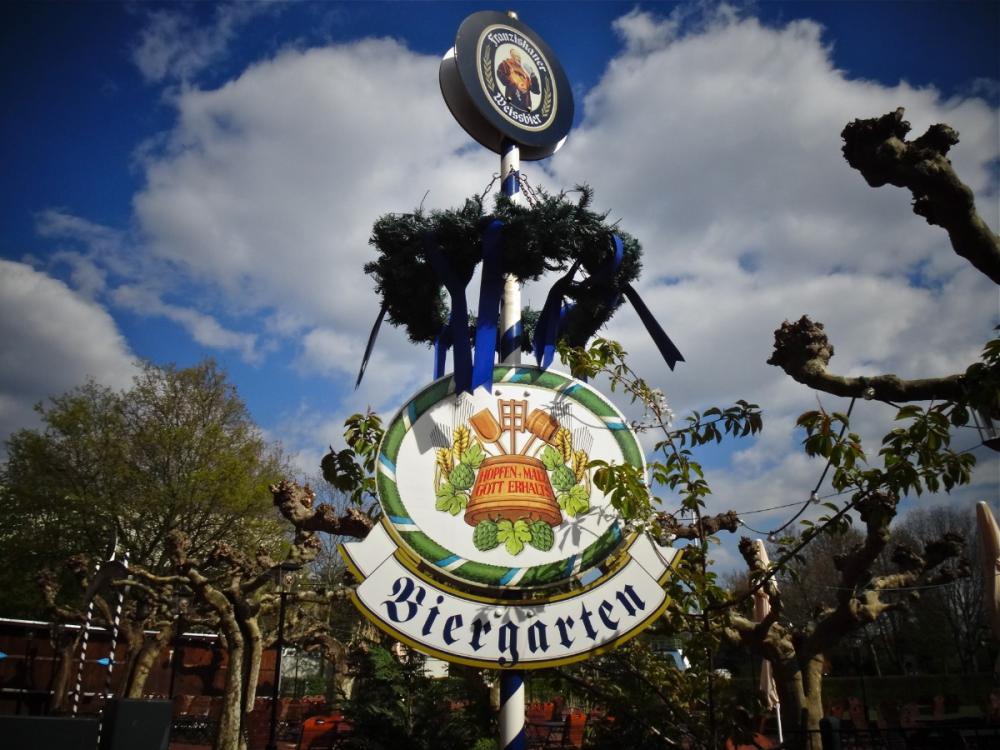
Image by tomwieden from Pixabay
What becomes clear across Germany is how deeply local beer culture still runs. Loyalty is often directed not at national brands but at individual breweries tied to specific towns and regions. Some have served the same communities for centuries and see little reason to expand beyond them. Many leading breweries combine advanced equipment and strict quality control with recipes that remain firmly rooted in the past.
By contrast, much of the modern beer industry in our country seems driven by novelty. Supermarket shelves and taprooms are filled with marshmallow stouts, milkshake IPAs, pastry sours and other abominations. Say no more!
Let me raise, instead, a glass to good German beer. Zum Wohl!
Also by Andrew Liddle...
Bob Davenport : From Gateshead To NewportThe Trial Of Romeo Oscar - Stephen Joseph Theatre, ScarboroughObituary: Sir Billy Boston - The Wigan WarriorEd O’Donnell, The Doyen Of Leeds JazzA Right Royal Handbagging In ScarboroughThe shortened address for this article is: newspub.uk/31zmp