


search
date/time

Tue, 10:00PM
overcast clouds
16.9°C
WNW 3mph
overcast clouds
16.9°C
WNW 3mph
 | Sunrise | 3:31AM |
| Sunset | 8:48PM |  |
P.ublished 22nd June 2026
business
North East Businesses Show Resilience In Response To Global Uncertainty
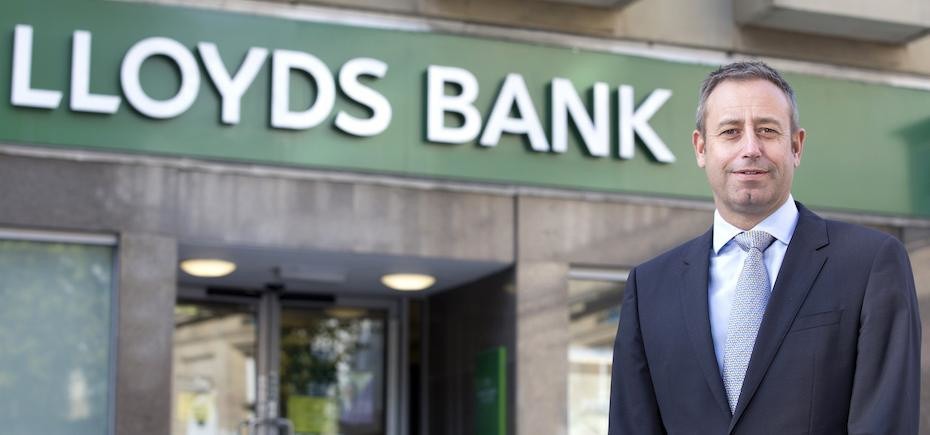
More than half (56%) of North East businesses say they have been impacted by recent global uncertainty, with 37% citing rising costs and 60% citing supply chain disruption as the main consequences. Despite this, 72% of firms said they still expect to grow this year.
The Lloyds Business Barometer survey is made up of 1,200 UK firms from across all regions and sectors.
The latest research reveals that North East businesses are adapting, with 64% of firms actively adjusting their strategy in response to global uncertainty.
Among those taking action, 42% have introduced cost-saving measures, 44% have increased their inventory levels and 47% have locked in commodity, raw material or input prices
North East businesses are using financial tools to help manage volatility, with 86% of companies saying they have the right financial tools and support to mitigate economic shocks.
Of those with appropriate support, 33% use cashflow forecasting, 49% use digital banking tools like automated payments and real time cash visibility and 27% use interest rate hedging.
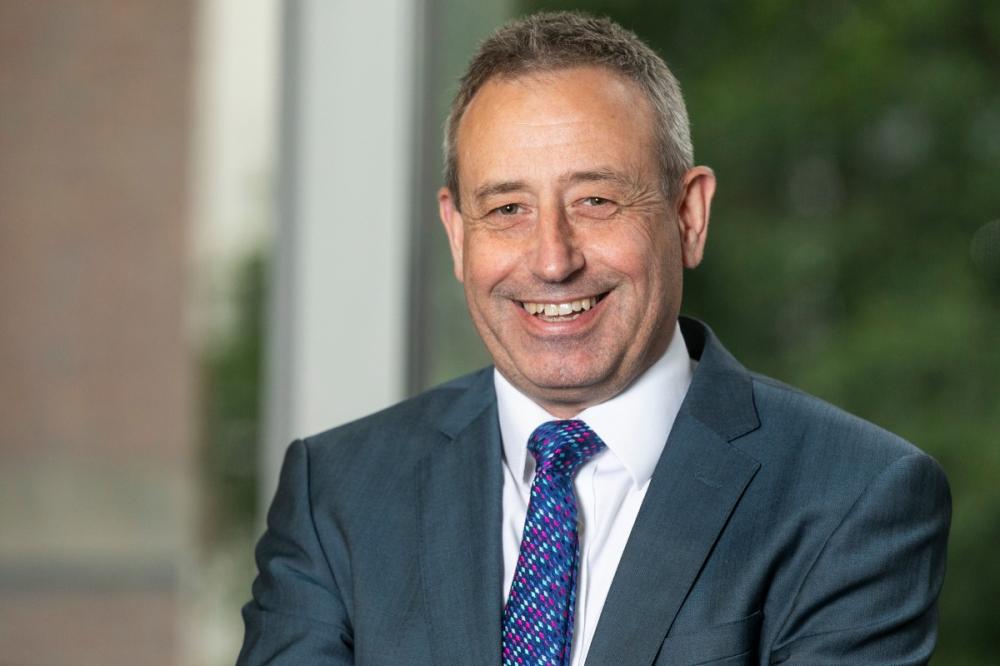
Martyn Kendrick
It’s a real vote of confidence in the North East to see 85% of businesses feeling resilient and almost three-quarters expecting to grow this year.
Despite the wider pressures firms are facing, particularly around supply chains, businesses across the region are responding with the forward planning and decisive action that have long defined the North East.
Locking in prices, building inventory and managing costs are all sensible steps in uncertain times, and it’s great to see so many firms making use of the financial tools available to them. Whether through cashflow forecasting or interest rate hedging, we’ll continue to support North East businesses as they turn resilience into long-term growth.
Amanda Murphy, CEO for Lloyds Business and Commercial Banking, said: “What we’re seeing from businesses is not just resilience, but decisive action in the face of ongoing uncertainty.
“Across sectors like manufacturing, logistics and food production, firms are taking practical steps to protect their operations – increasing inventory and locking in costs where they can.
“Many also recognise that global supply chain challenges and energy market volatility are structural issues, not temporary blips. In response, businesses are managing costs, securing supply and building greater resilience into their operating models.
“That puts greater focus on working capital and funding, but it also reflects a confidence. Firms are backing their ability to navigate uncertainty and continue to grow.”
The national picture
On a national level, UK businesses are showing resilience in response to global uncertainty, with 84% saying they are confident in their ability to withstand economic shocks.
More than half (57%) of businesses say they have been impacted by recent global uncertainty, with rising costs (45%) and supply chain disruption (37%) cited most frequently as consequences. Despite this, a further 57% of firms said they still expect to grow this year in spite of shifting market conditions, while 30% expect trading levels to remain the same.
The latest research revealed that businesses are adapting in response to global uncertainty. It found that nearly six in 10 (59%) firms are actively adjusting their strategy in response to worldwide events.
Among those taking action, more than half (51%) have introduced cost-saving measures, while more than a third (35%) have increased their inventory levels (35%), with the same proportion (35%) having locked in commodity, raw material or input prices.