


search
date/time

Tue, 7:00PM
overcast clouds
19.5°C
W 12mph
overcast clouds
19.5°C
W 12mph
 | Sunrise | 4:46AM |
| Sunset | 7:34PM |  |

Sharon Cain
Lifestyle & Leisure Editor
P.ublished 14th February 2026
travel
Taking Your Motorhome To The EU? Top Tips On What To Do
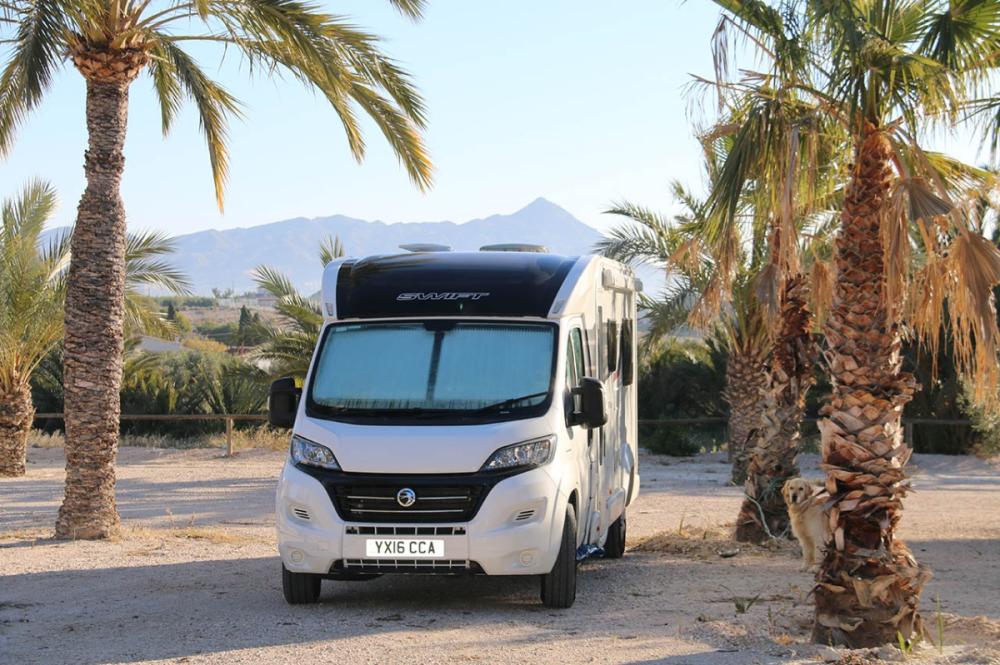
Getting away from it all: Fortuna, Spain
The sense of adventure in exploring Europe’s diverse coasts and countryside - not to mention architectural treasures including castles and cathedrals - can be exhilarating and addictive.
Getting the basics right to derive maximum enjoyment from the experience is always vital. Our Lifestyle and Leisure Editor, Sharon Cain, and her husband and Yorkshire Times Photographer, Steve Hare, explain why meticulous planning is needed for overseas travel.
Discoveries Off The Beaten Track

Rich biodiversity: Flamboyance of Flamingos on the Göksu Delta in southern Republic of Türkiye
In our extensive travels across seventeen European countries, we’ve not found language the barrier we had imagined. Most people we've met - from Albania to Austria and Croatia to Cyprus - have been delighted that we attempt the basics in their native tongue. It also helps that my French and Spanish are passable.
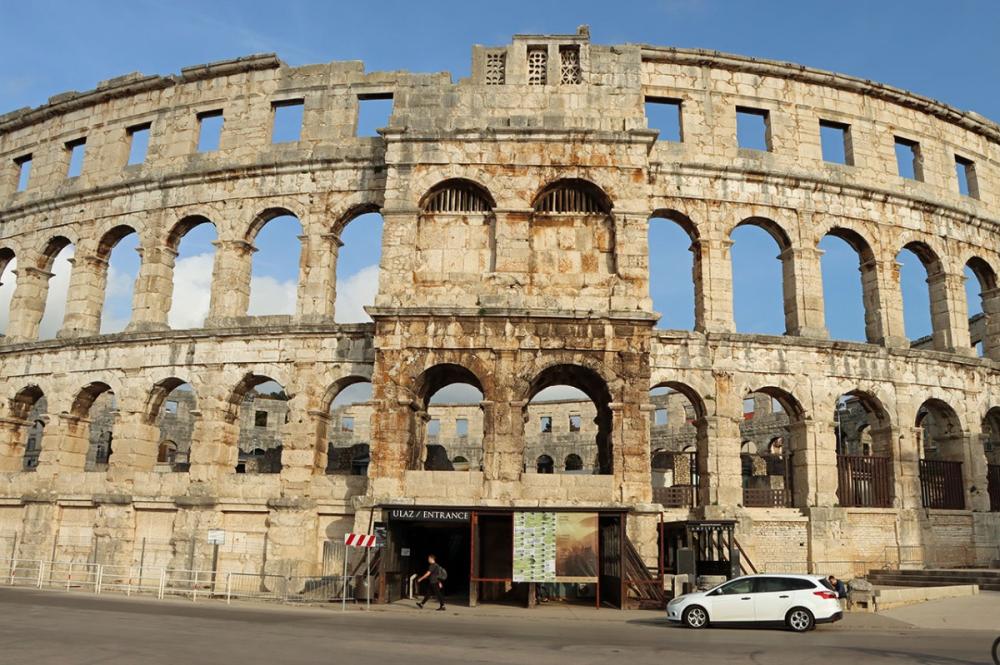
Roman legacy: Amphitheatre of Pula, Croatia
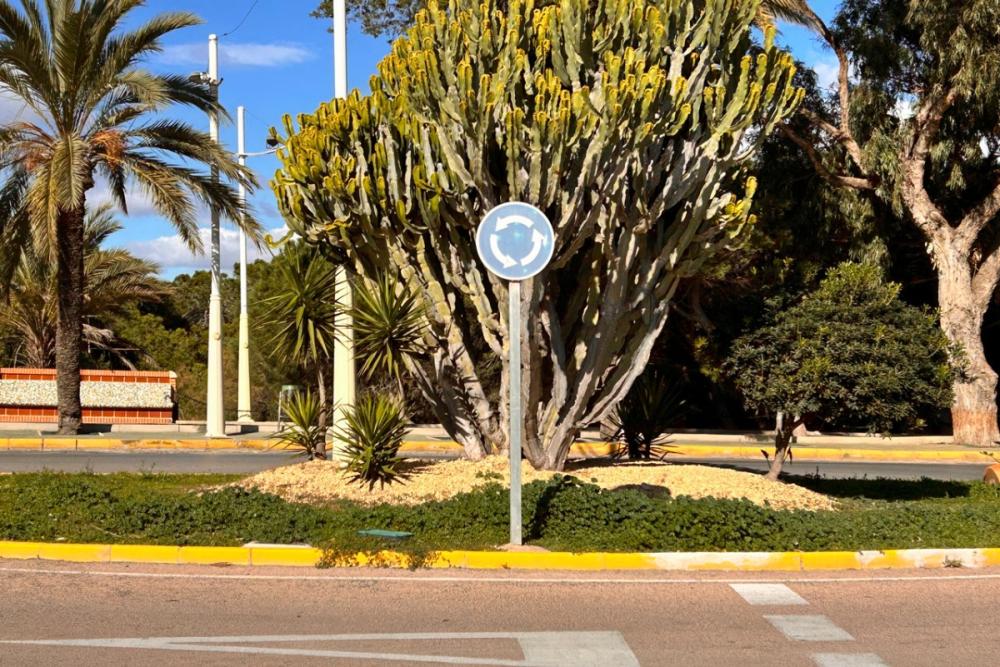
Roundabouts: Wrong way / Right way
Perhaps the most obvious issue is driving on the ‘wrong’ side of the road. If, like us, you have hired cars on holidays you definitely have an advantage and if you’re driving with a passenger a big advantage.
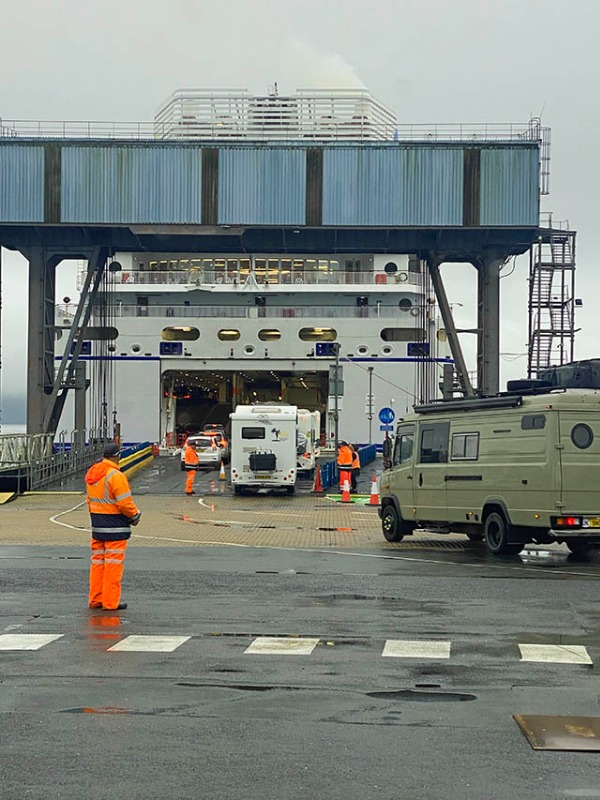
All aboard: Portsmouth to Santander ferry
Although roundabouts were introduced in Spain in 1976, subsequent development and advancements have bypassed many ‘senior’ drivers who make up their own rules!
The general law is that you give way to vehicles on the roundabout. No different to the UK - be patient and a gap will open up.
Be Alert When Exiting Roundabouts
When on the roundabout, you will find local drivers using use the inside lane and cut across when exiting – usually without indicating.
If you’re taking the inside lane to go straight on, and indicate, be aware the Spanish can take the outside lane to turn left, going all the way round. Under Spanish laws, all traffic should take the outside lane and just come off at their exit. Don’t understand? Welcome to Spain. Our tip: Take it easy, use the outside lane and give way to anything in front.
Another perilous manoeuvre is turning right. This is where a passenger’s help is invaluable when you’re in a right-hand drive vehicle, as the angle can make it hard for the driver to see, and the passenger can let them know when there’s no traffic and it is safe to go.
Two Vital Words – ‘NO’ and ‘CLEAR’
In these situations, we find it best to agree a form of communication. As ‘NO’ and ‘GO’ sound very similar and could be horribly misheard, we opted for ‘NO’ and ‘CLEAR’ and so far so good.
Driving on the right comes with another issue – your UK headlights point the wrong way and you need deflectors. A legal necessity, they are simple to fit and inexpensive, and are available on ferries and at service stations.
Paperwork And Checklists
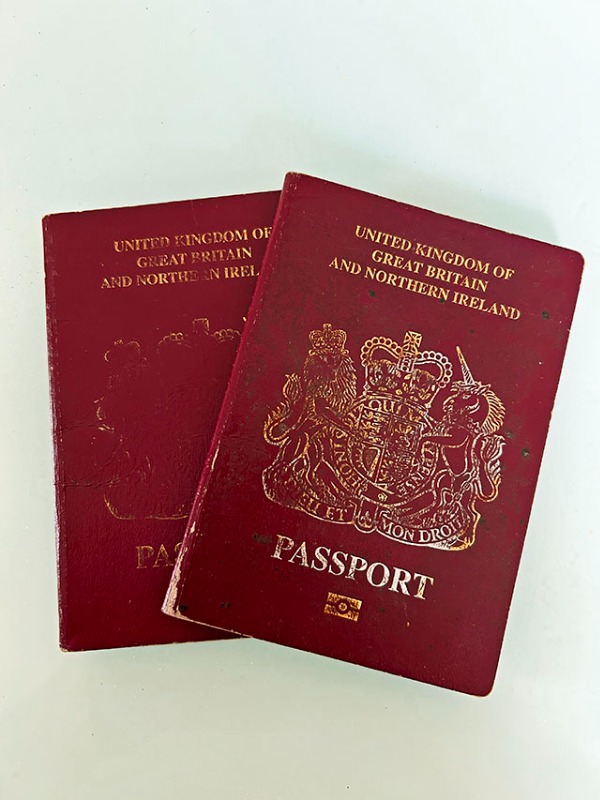
Well used and well worn: Passports are the top priority
Passports – including for pets travelling with you. We will cover this in our next article
Insurance - some policies limit the time that you can spend abroad, check well before you leave exactly what yours covers. On one of our long trips we were thinking of making it even longer but adding extra time to a policy can be very expensive.
Vehicle Registration documentation – driving licence/s
Breakdown Cover – we had a flat battery in France on day four of our very first trip when the AA’s French equivalent quickly came to our rescue
EU Health Cards - it is highly recommended to carry a European Health Insurance Card (EHIC) or GHIC when travelling to the EU, Iceland, Liechtenstein, Norway, Switzerland. While granting access to state-provided healthcare at the same cost as local residents, it is not a substitute for travel insurance.
Why Safety Is Paramount
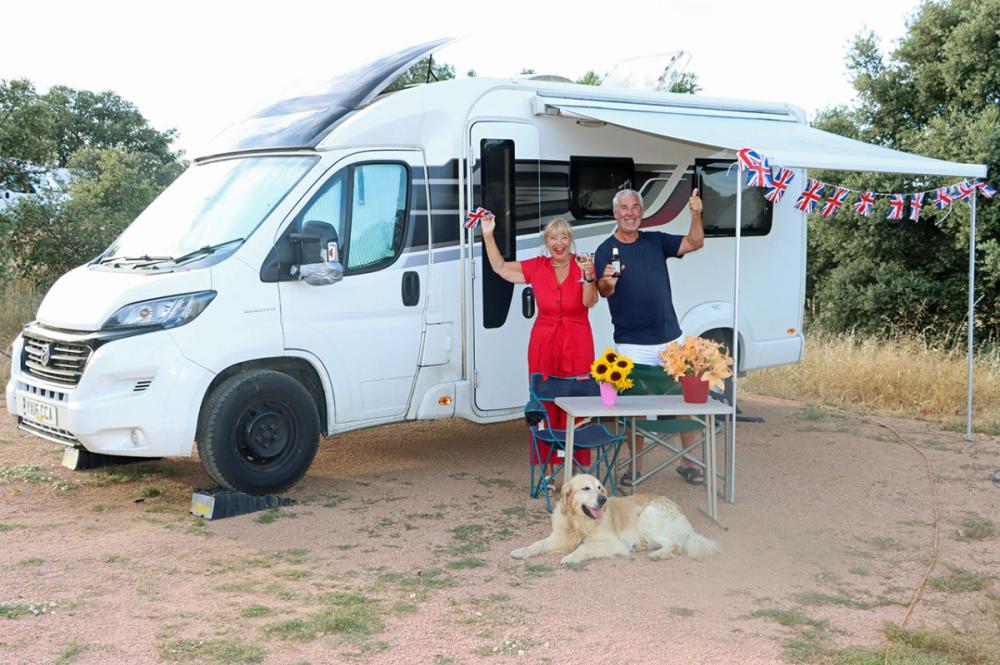
Cheers! We enjoy a drink once we’re parked up
Our advice is to stick to coffee and soft drinks and wait until you are safely parked up for the day when you can relax and enjoy your well-deserved tipple.
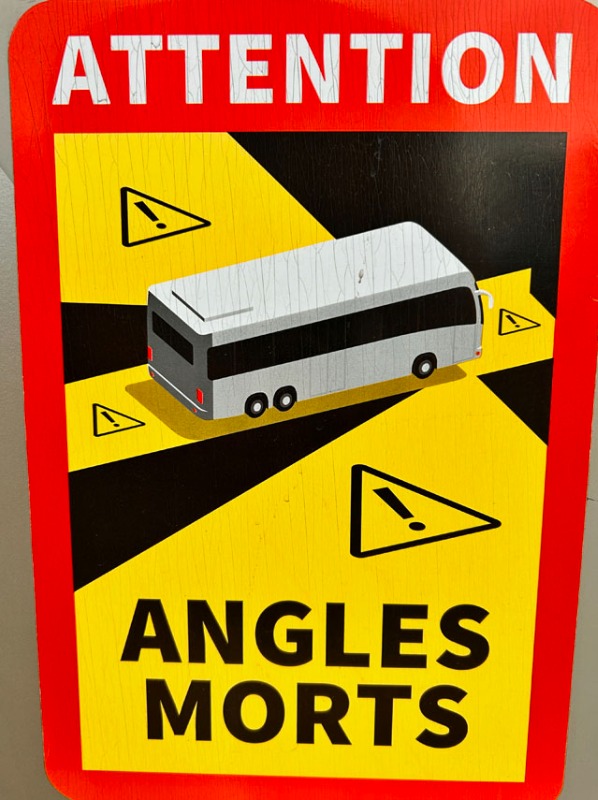
Over 3.5 tonne: legally required Blind Spot stickers
You may notice ‘Angles Morts’ stickers on motorhomes to indicate the Blind spots, where the driver can not see. All motorhomes with a total weight exceeding 3.5 tonnes must have a sticker showing the position of the blind spots, visible on the sides and at the rear of the vehicle. Do check out the latest requirements, as they keep changing.
Do not forget your headlight direction changers – it is illegal not to have them fitted on arrival in Europe.
Electric Systems and Voltages
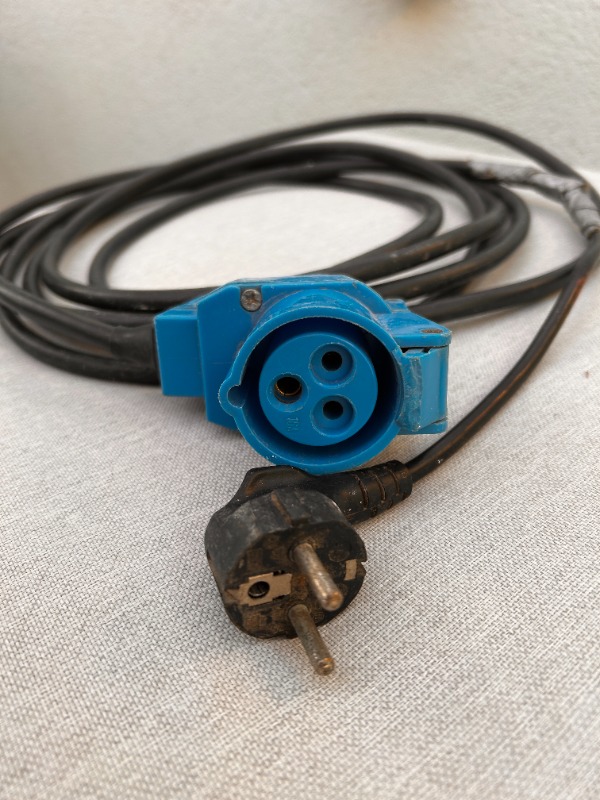
Three points to two: Adaptor needed for some French sites
The electric voltages could also be at different strengths. While most of Europe runs on 230 volts, some parts of France only have 120 volts, which can cause your electrics to trip out, especially when you first arrive after a long and tiring journey and put on the kettle for that longed-for cuppa.
Gas Bottle Headaches
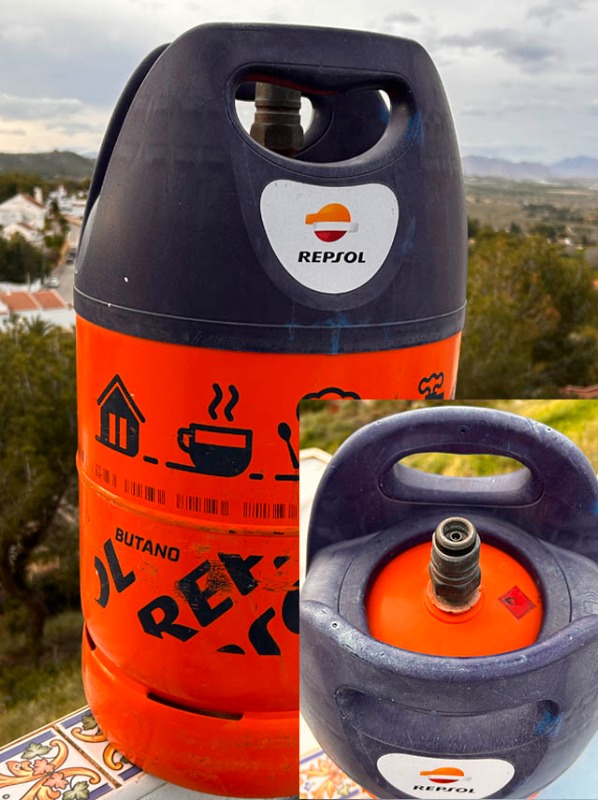
No standardisation across Europe: Spanish Gas bottles shown here are different to Italian and Greek.
You can’t do without gas unless you are staying permanently on campsites and gas bottles come in different sizes, shapes and connections.
Very low on gas when touring Spain, we could not source calor gas or propane bottles of any size. Steve’s paramount concern about missing his dinner fuelled our perseverance, and we discovered we could buy 11kg of gas for domestic use - but needed a contract and a residential address.
Fuelled by Success
We enterprisingly bought an empty second hand calor gas bottle at a local flea market for 15 euros, swapping it for a full new one at a garage. Frustratingly our motorhome at the time only had space for a six kg bottle, so we had to hook up the enormous bottle outside the compartment.
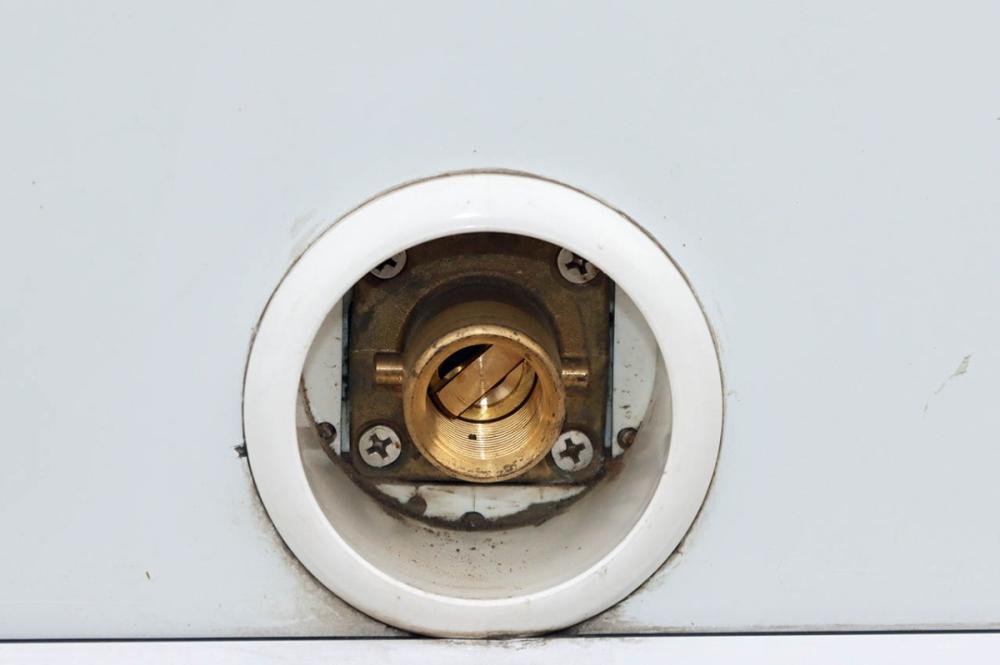
LPG inlet on our Motorhome connects to the bottle
If only travelling with an LPG (GLP in most of Europe) bottle, you will find that garages will not fill it directly.
We’d love to say ‘that’s all folks’ - but it’s not. The more you travel the more you will learn, and that’s half the fun. We’ve certainly lived many lifetimes in the course of our addictive explorations, come unstuck a few times – and bounced back to do it all over again!
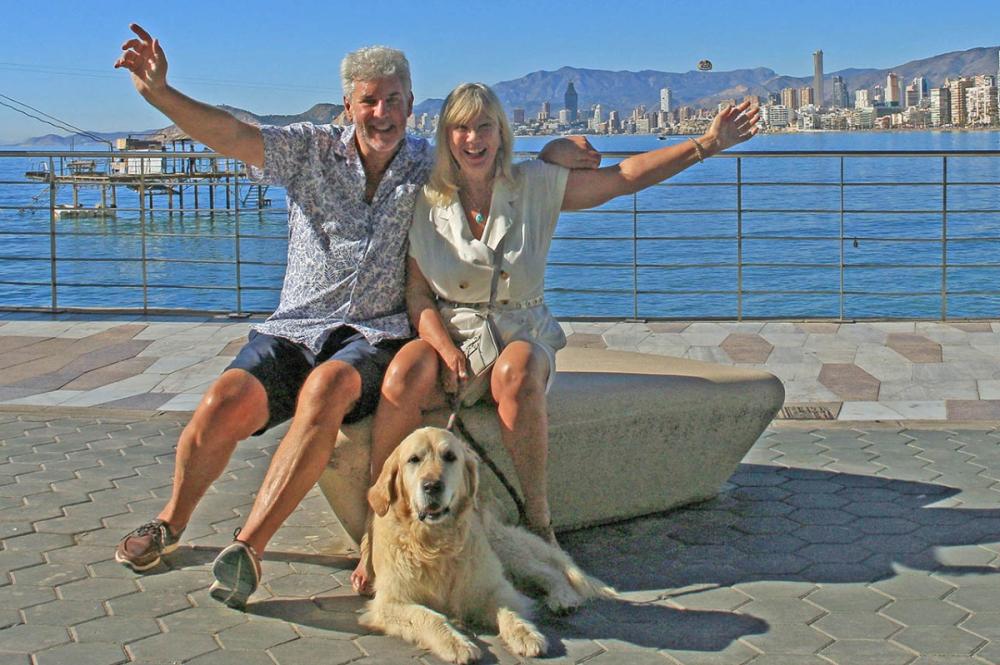
Living the dream: Sharon, Steve and Bracken
• For information on travelling on the Eurotunnel, check this link
• For information on ferries to Spain and France, check this link
• For Government Advice on Foreign Travel, check this link
Also by Sharon Cain...
Beautiful, Vibrant, Bold - So Why Does Barbados Leave Me Cold?Annie: Pinning Today’s Hopes And Dreams On A Brighter TomorrowThe Bodyguard: A High Energy, Musical PowerhouseDream Performance: Primary Schools Smash Shakespearean ComedyThe Smoke That Thunders: The Magic Of Victoria FallsThe shortened address for this article is: newspub.uk/31yaj
Search Results