


search
date/time

Sat, 10:00PM
overcast clouds
18.1°C
W 9mph
overcast clouds
18.1°C
W 9mph
 | Sunrise | 4:02AM |
| Sunset | 8:22PM |  |
P.ublished 25th July 2026
business
Opinion
The High Street Isn’t Dying - It’s Levelling Up
Jason Wan
DSE-Coney Street Riverside
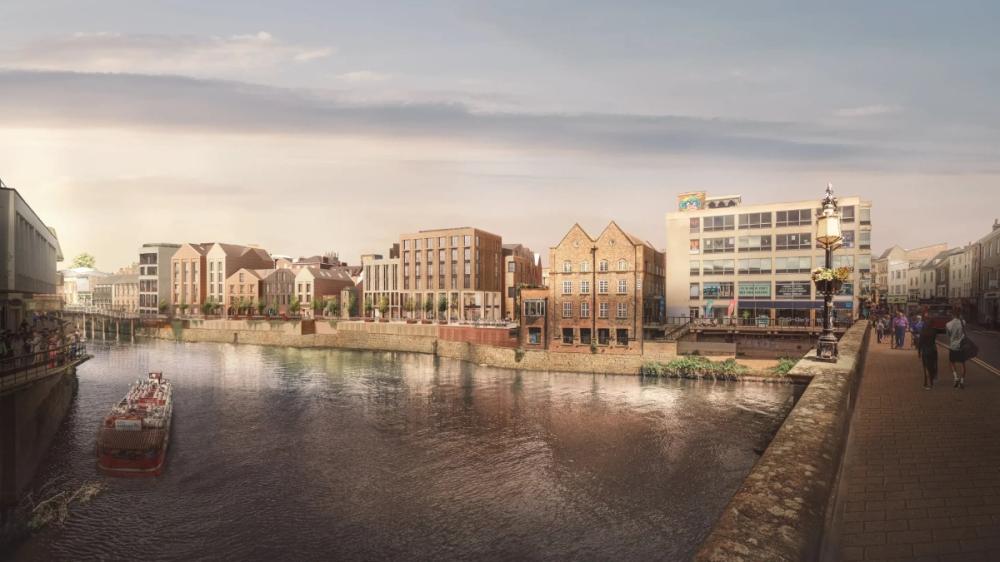
If you look at the changing landscape of the city centres in, say, Leeds and York, it is easy to get caught up in the standard retail narrative. A report published this month by York Business Improvement District (BID), for example, revealed that city centre traders suffered an annual drop of more than eight per cent in terms of footfall and sales. That is concerning, but it doesn’t consider the exciting plans to revive York’s retail heart, notably the comprehensive regeneration of Coney Street by the Helmsley Group.
So, let’s not get caught out in a doom loop. The real story of our high streets isn’t about decline; it is about evolution. High streets and urban centres are shifting from purely transactional spaces to rich, experimental locations. While traditional retail distribution has moved on-line, with devastating consequences for famous high street names such as WH Smith, Debenhams and, most recently, Claire’s Accessories, successful high streets are adapting by creating go-to destinations that are more vibrant, fun and inclusive than those in out-of-town retail and business parks.
Max Reeves, development director at the Helmsley Group, agrees and is proud that his company is turning this new dream into reality in Coney Street. Once the bustling heart of the city, Coney Street has suffered a major decline in recent years, with boarded-up shop fronts and charity shops replacing struggling retail outlets. Reflecting on the York BID figures, he commented: “These figures aren’t great, but overall York is such an attractive destination that there’s still massive interest in the city from all sorts of different retailers.
“A fresh approach is needed in Coney Street because the retail market has completely changed. People want to come and have experiences. York is a beautiful place and has a real attractiveness to it but we can’t rest on our laurels.”
Max is right. For example, one recent and very relevant trend is the explosive rise of experiential leisure and social entertainment hubs like Pixel Bar, NQ64 and Flight Club. These aren’t just businesses; they are vibrant community anchors that tap into a deep, nostalgic demand for connection, social interaction and authentic local identity.
At DS.Emotion, we look at this data through a strategic lens. For developers such as the enterprising Helmsley Group, investors and local councils, this shift represents a massive opportunity to build long-term value, drive footfall and create thriving urban ecosystems. This is achieved by transforming local culture into commercial value.
To make a place successful, you must first understand the people who will use it. Leisure destinations succeed because they focus entirely on the human element, bringing locals, residents and visitors together over shared experiences. Integrating these types of high energy, human-centric concepts into modern developments unlocks tangible benefits.
Experiential venues act as powerful regional draws, extending footfall from daytime shopping into the evening economy and creating a dynamic mix of independent leisure, social hubs and unique retail developments. This, in turn, will encourage forward-thinking councils and investors to be drawn to vibrant, culturally rich spaces that demonstrate clear social value and long-term economic resilience.
Ultimately great destinations aren’t just built out of brick and mortar; they are co-created with the people who live and work there. When you align a development’s commercial goals with the authentic cultural heartbeat of its city, you create a sustainable destination that delivers lasting social and financial returns. That is how our high streets are going to survive.

Search Results