


search
date/time

Wed, 4:00PM
few clouds
21.1°C
SSW 10mph
few clouds
21.1°C
SSW 10mph
 | Sunrise | 6:06AM |
| Sunset | 5:46PM |  |

Allison Lee
Smallholding Correspondent
P.ublished 15th August 2026
lifestyle
The Impact Of The Drought On The Smallholding
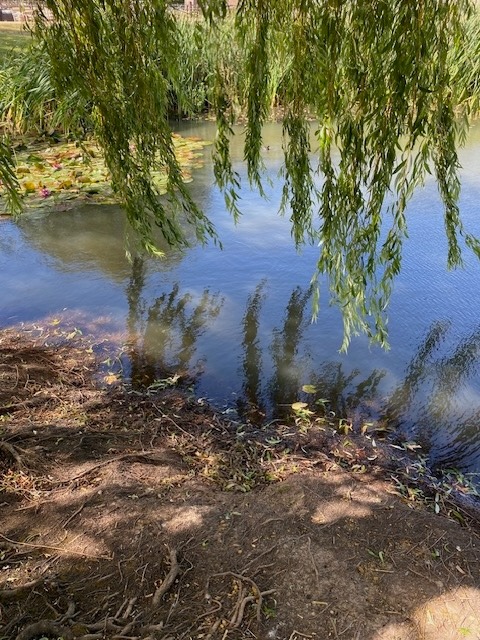
The Wildlife Pond showing clear signs of drying out
Wildfires across the country have been an added worry, causing further stress to those already at breaking point.
Whilst I don’t live in an area with a hosepipe ban, I am acutely aware of the enormous problem the lack of rain has caused the country so far this year, and I do my best to conserve as much water as I can whilst ensuring the animals have all they need to remain healthy and hydrated. Filling up and changing the water in the buckets is always a source of guilt. Whilst the animals need to drink, I also try to ensure that the water I replace with fresh is used effectively, so instead of tipping it out onto the ground, I try to empty it into the wildlife pond or use it to water the fruit trees and vegetable patch. Fresh water is essential for the animals, so it is vital that water buckets are cleaned and filled with fresh water daily, sometimes twice a day depending on the weather. The donkeys, in particular, will not drink water that isn’t fresh, going as far as to become ill with dehydration before succumbing to drinking stagnant water. Of course, no animal should be expected to drink water that has been left to stagnate, and the health risks of not replenishing it are huge, including the build-up of bacteria, the growth of algae and the laying of eggs by various flies and insects. Dehydration is likely to be the outcome, as animals will not drink stagnant water.
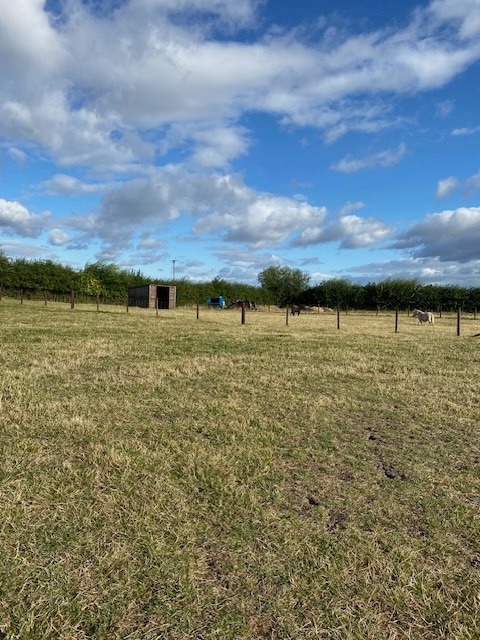
Scorched paddocks
The wildlife pond is also suffering. The lack of rain and prolonged dry spells have left it beginning to dry out. Despite its size, the water level is clearly dropping, and I have had to top it up on numerous occasions to protect the fish and other wildlife who call it home.
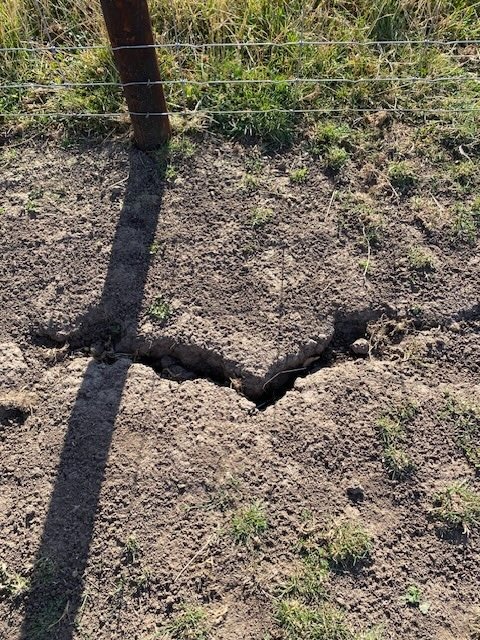
Cracks are appearing in the paddocks
According to the Met Office, July this year brought unprecedented sunshine, exceptional warmth, and record-breaking dryness. It has been a historic month, the driest on record for England and Wales.
A lack of rain for any length of time brings a huge amount of stress and worry to those who keep animals. Whilst we love to moan about the weather, often in winter when we have endless rain, I, for one, would be happy for a week of downpours right now.
Also by Allison Lee...
Heading Into AutumnThe Importance Of Community Hubs In Rural AreasBluetongue VirusThe Power Of HerbsIt's Showtime!The shortened address for this article is: newspub.uk/320gs