


search
date/time

Thu, 10:00PM
overcast clouds
15.7°C
W 11mph
overcast clouds
15.7°C
W 11mph
 | Sunrise | 3:28AM |
| Sunset | 8:43PM |  |
P.ublished 11th June 2026
frontpage
"UK Roads Are A National Scandal”
AA President Warns Drivers Are Being “Short Changed” As Potholes, ‘Smart’ Motorways And Roadworks Hit Breaking Point
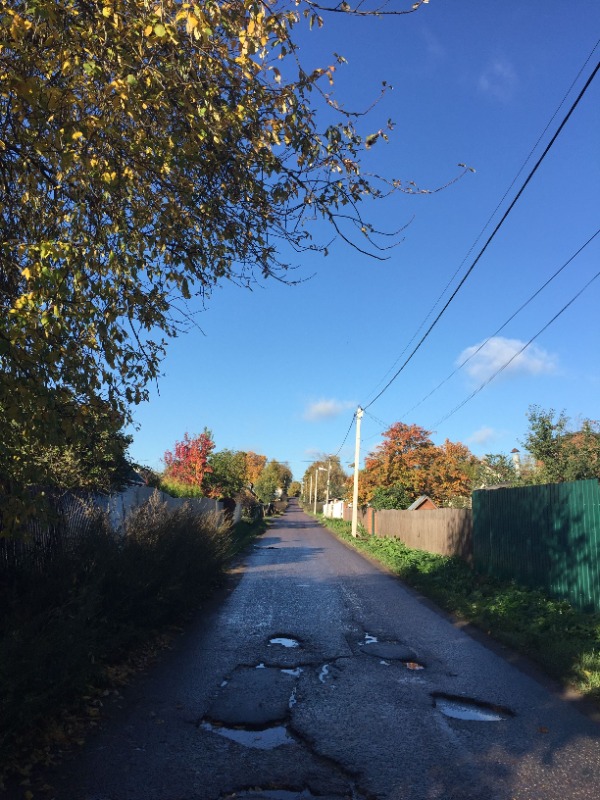
Photo: chudesabyvaut on PExels
Speaking on The Logbook, the YouTube channel sponsored by AA Cars, Edmund King was interviewed by Rob Cubitt, managing director of Cubitt Cars, for an episode titled “We Pay Billions. So Why Are the UK Roads Falling Apart?” The conversation covered the state of Britain’s roads, potholes, smart motorways, roadworks, driver taxes and the impact on motorists and dealers.
King said the country risks treating roads as a “periphery issue” when, in reality, they are fundamental to everyday life and the economy.
Edmund King OBE, AA president, said: “Our country without roads is nothing. Ninety per cent of freight goes by road and 86 per cent of passenger journeys are by road. If we didn’t have the roads, the country would be at a standstill. There would be no goods in our shops, no exports, and people wouldn’t get to work. This isn’t a periphery issue — this is the number one issue.”
Potholes
On potholes, King said drivers were paying the price for a failed “patch and run” approach, where holes are filled badly and return within weeks.
“It is the number one transport issue for 96% of drivers. At The AA we see it first-hand. Last year our patrols were called out to 617,000 pothole-related incidents — punctures, damaged wheels, steering and suspension damage. For drivers, it is the worst feeling: dark nights, wet roads, puddles, you can’t see the pothole, and then you hear the bang.”
Not rocket science
King called for councils and central government to move away from reactive repairs and towards proper road maintenance, resurfacing, and better use of technology.
“You can’t just keep filling in holes if the road has gone. You need to resurface that section of road. In the long term that is more cost-effective because you are called out less often, there are fewer compensation claims and the repair lasts longer. It is not rocket science to fix the roads, and yet we are doing a bad job of it.”
Drivers squeezed
Rob Cubitt said the state of the roads had left many motorists questioning where their money was going.
Rob Cubitt, managing director of Cubitt Cars, said: “Drivers feel more squeezed than ever. Fuel is up, vehicle tax is up, the cost of everything is up — and yet the roads we are driving on seem to be getting worse. People can’t help but ask: where is all our money going?”
Cubitt added: “We all feel angry about these things, but hearing the facts makes it clear that drivers have every right to be angry. We are paying more to be motorists, but we are not seeing the standard of roads that motorists deserve.”
Massive scandal
The discussion also addressed smart motorways, which King described as a “massive scandal” after emergency refuge areas were moved much further apart than in the original design without consultation.
King said: “This is the massive scandal of ‘smart’ motorways. The original concept had refuge areas much closer together. Then the goalposts were moved. If you break down between those refuge areas, you are a sitting duck. You are at the mercy of technology spotting your vehicle, at the mercy of a red X appearing, and at the mercy of another driver obeying it. Crashes happen — and they have happened.”
King said The AA had campaigned with families affected by ‘smart’ motorway deaths and had pushed government to stop new schemes and add more emergency refuge areas, but warned the underlying concept remained flawed.
“For me, the concept is still wrong. If you are relying on technology, that technology has got to be precise and effective. It is not. Why are we putting drivers in that situation? Because they have cut corners on costs.”
No coordination
On roadworks, King said too many schemes showed a lack of coordination between councils and utility companies, with newly resurfaced roads sometimes dug up again weeks later.
“It is that lack of coordination that is so frustrating. A road gets resurfaced and then the gas or water companies come along and dig it up again. Local authorities have powers they can use, including lane rental systems, but too often they are not used effectively.”
Cubitt said drivers were also frustrated by temporary traffic lights and repeated roadworks on the same routes. “When motorists hit three or four sets of roadworks on one commute or see traffic lights left up over a weekend with no one working, it is easy to understand why people get angry. It feels inefficient, and it feels like nobody is championing the driver.”
Roads Champion
King said Britain needs stronger strategic leadership on transport and cars and a clear “champion of the roads”.
“When I wake up in the morning, I think: what can I do to improve the life of drivers? We don’t seem to have that person working out how to make our roads better today and every day. That is what is needed — a champion of the roads.”
