


search
date/time

Sat, 4:00PM
scattered clouds
11.1°C
NE 9mph
scattered clouds
11.1°C
NE 9mph
 | Sunrise | 4:39AM |
| Sunset | 7:28PM |  |
P.ublished 25th April 2026
lifestyle
Waste Removal Experts Warn Smelly Bins Could Lead To Fines As Temperatures Rise
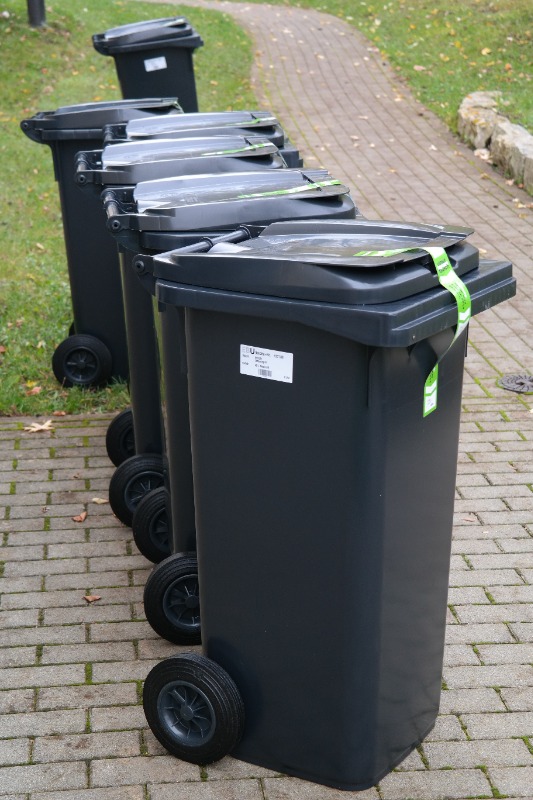
Image by Hans from Pixabay
Households across the UK are being warned that simple bin habits could lead to more than just bad smells this spring, with waste experts revealing that poorly managed bins can attract pests and, in some cases, result in fines.
As temperatures begin to rise, waste experts at Rainbow Rubbish Removals say food waste, unwashed packaging and overflowing bins are creating the perfect conditions for flies, rodents and insects, increasing the risk of complaints and council intervention.
While a smelly bin alone is unlikely to result in a penalty, experts say problems can quickly escalate if waste is not managed properly, something as little as not washing out your ketchup bottles.
The common bin habits attracting pests
Rainbow Rubbish Removals has identified the most frequent mistakes that can turn household bins into a target for pests:
| Habit | Why it attracts pests | What to do instead |
| Unwashed food containers | Residue creates strong odours that attract flies and insects | Rinse containers before disposing or recycling |
| Loose food waste | Exposed waste breaks down quickly in warm weather | Double bag or use food waste caddies with liners |
| Leaving bin lids open | Easy access for rodents, birds and insects | Always fully close lids after use |
| Overfilled bins | Waste spills out and becomes accessible | Avoid overfilling and stick to collection limits |
| Garden waste mixed with food waste | Speeds up decomposition and smell | Keep green waste separate where possible |
| Bins left uncleaned | Built-up residue attracts pests over time | Clean bins regularly, especially in warmer months |
When a smelly bin becomes a legal issue
According to Rainbow Rubbish Removals, bins can become a legal concern if they begin to impact neighbours or create a public health issue.
Under the Environmental Protection Act 1990, councils can take action if waste causes a statutory nuisance, such as persistent strong odours affecting nearby homes.
Households can be issued with an abatement notice
Ignoring the notice can lead to fines of up to £5,000
Additional daily penalties may apply for continued breaches
For less severe issues, such as overflowing bins or improperly stored waste, councils can issue Fixed Penalty Notices, typically ranging from £80 to £200, depending on the local authority.
If waste attracts pests or is repeatedly mismanaged, further enforcement action may follow.
As soon as the weather starts to warm up, we see a noticeable increase in pest-related issues around household waste. It doesn’t take much, even small amounts of food residue or an open bin lid can attract flies or rodents.”
Most people won’t realise there’s a problem until it starts to smell or neighbours notice it, but by that point it can escalate quickly, especially in warmer weather.
You’re unlikely to be fined just for having a smelly bin, but if it starts affecting others or attracting pests, councils can step in. Simple habits like rinsing containers and keeping lids closed can prevent it getting to that stage.
Simple ways to avoid problems
Rinsing food containers before disposal
Keeping bin lids fully closed
Double bagging food waste in warmer weather
Cleaning bins regularly to remove residue
Avoiding overfilling bins ahead of collection day
Why this matters now
With temperatures rising and households producing more waste during seasonal clear-outs and outdoor activities, the risk of pest attraction is higher than at any other point in the year.
Without small changes to everyday habits, experts warn that minor bin issues can quickly escalate into larger problems, including complaints, enforcement action and fines.