


search
date/time

Thu, 10:00PM
broken clouds
19.9°C
SW 7mph
broken clouds
19.9°C
SW 7mph
 | Sunrise | 3:26AM |
| Sunset | 8:48PM |  |
P.ublished 18th June 2026
frontpage
Yorkshire Air Ambulance Doctor Shares Lifesaving Open Water Safety Advice During Drowning Prevention Week
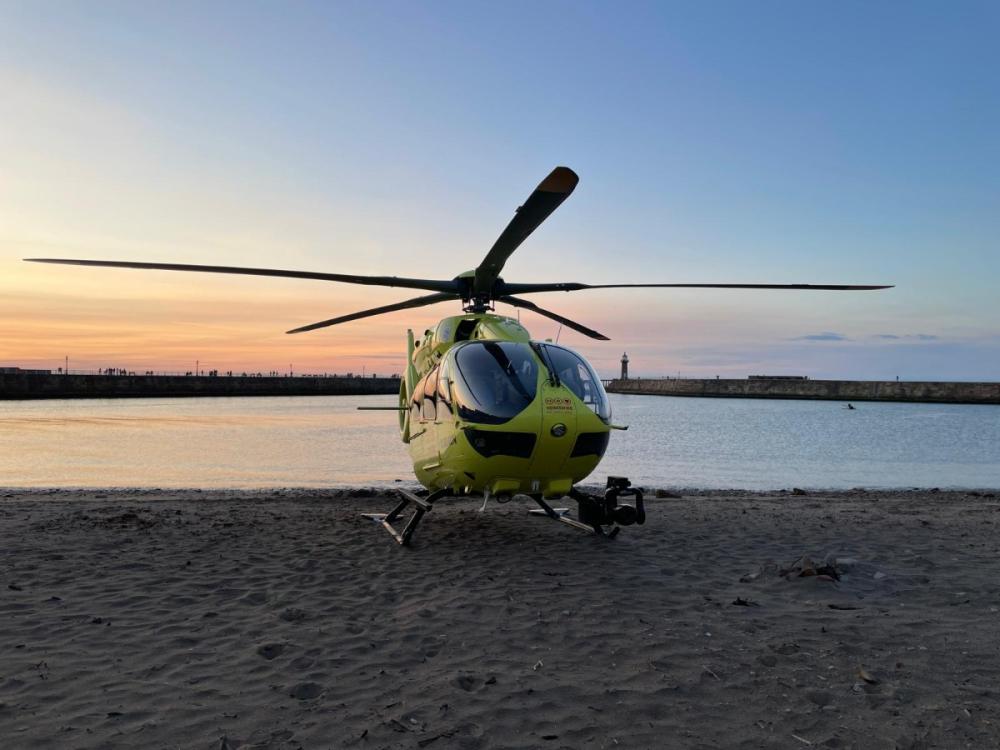
Yorkshire Air Ambulance's Airbus H145 helicopter attends an incident near open water
The annual awareness campaign, led by the Royal Life Saving Society UK (RLSS UK), follows reports of more than 17 people losing their lives in open water incidents across the UK since the start of May. Yorkshire Air Ambulance has already been activated for 14 open water-related incidents across Yorkshire this year. More recently, crews attended three of the incidents reported since May, including emergencies in Halifax, Burnsall and Doncaster.
Dr Stuart Reid, Medical Director at Yorkshire Air Ambulance (YAA), is encouraging people to understand the risks associated with open water and take simple steps that could save lives this summer.
.png)
Dr Stuart Reid, Medical Director at Yorkshire Air Ambulance
Yorkshire is home to some incredible rivers, reservoirs and beauty spots, but these environments can change quickly and present hidden hazards. One of the biggest dangers is that people often underestimate the risks. Even during periods of warm weather, the water is often much colder than people expect. Every year we see incidents involving people who have entered open water without realising how quickly conditions can affect them. Sadly, being a strong swimmer does not make you immune to these dangers.
A particular concern for emergency responders is cold water shock, a physiological response that occurs when the body is suddenly immersed in cold water.
When somebody unexpectedly enters cold water, the body can react instantly. The sudden temperature change can trigger an involuntary gasp reflex, rapid breathing and an increased heart rate. This can make it difficult to control your breathing, stay afloat or swim to safety. People often assume drowning only happens because someone cannot swim, but in reality, even experienced swimmers can find themselves in difficulty if they panic or are affected by cold water shock.
Never swim alone and always let somebody know where you are going.
Never jump or dive into unfamiliar water, as there may be hidden hazards beneath the surface.
Check the water conditions and be aware that temperatures can remain dangerously cold, even during hot weather.
Avoid entering open water after consuming alcohol, as it can impair judgement and increase the effects of cold water shock.
Learn the RNLI's Float to Live technique, which can help people survive the initial effects of cold water immersion.
Carry a charged mobile phone and know your location in case of an emergency.
If you see someone in difficulty in the water, call 999 immediately and avoid entering the water yourself unless it is safe to do so.
If an incident does occur, being able to provide an accurate location can help emergency services reach a casualty more quickly. Yorkshire Air Ambulance is therefore encouraging people to download the What3Words app before heading outdoors this summer. The free app assigns every three-metre square in the world a unique three-word address, helping emergency services pinpoint a caller's exact location when every second counts.
By understanding the risks and taking simple precautions, people can enjoy Yorkshire's waterways safely throughout the summer months and help reduce the likelihood of preventable water-related emergencies.
To learn more about water safety and Drowning Prevention Week, visit the Royal Life Saving Society UK website. Information about the Float to Live campaign can be found via the RNLI.