


search
date/time

Sun, 1:00PM
scattered clouds
15.5°C
W 18mph
scattered clouds
15.5°C
W 18mph
 | Sunrise | 5:47AM |
| Sunset | 6:12PM |  |

Jane Hawkes
Consumer Expert
P.ublished 1st August 2026
travel
10 Must-Dos Before You Jet Off On Holiday
Our consumer rights expert and former stewardess, Jane Hawkes, who runs the Lady Janey consumer advice blog, shares her top ten ‘must-dos’ to ensure you don’t have an unexpected holiday drama.
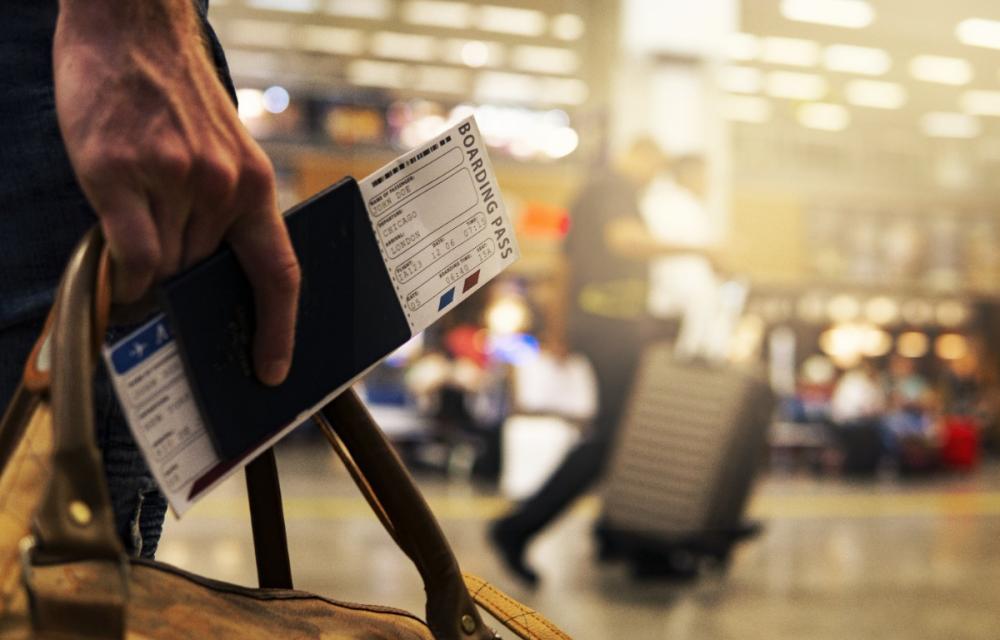
Image by Joshua Woroniecki from Pixabay
An expired passport, inadequate travel insurance, unexpected roaming charges or even a parcel left sitting on the doorstep can quickly take the shine off a well-earned break.
A little preparation before you travel can save you time, money and unnecessary stress.
Whether you're heading to a European city break, a family beach holiday or a long-haul adventure, spending just a short time working through a simple checklist can help ensure everything runs smoothly.
Here are my top ten important things to tick off before you head to the airport.
1. Check Your Passport Early
It may sound obvious, but passport issues remain one of the most common reasons travellers are unable to board their flight. Don't just check the expiry date; many countries require your passport to have several months' validity remaining beyond your return date.
Following Brexit, travellers visiting many EU and Schengen countries also need to ensure their passport was issued less than ten years before the date of entry and remains valid for at least three months after leaving. If you're travelling as a family, don't forget to check children's passports too.
2. Make Sure Your Travel Insurance Covers What You Need
Travel insurance isn't something you should simply purchase and forget about. Before travelling, check exactly what your policy covers.
If you have pre-existing medical conditions, ensure they've been declared. If you're taking expensive items such as cameras, jewellery or mobile phones, check they're covered too. Planning activities such as skiing, scuba diving or water sports? These may require additional protection.
Also review your policy excess and confirm whether you're covered for cancellations, delays and missed departures. The cheapest policy isn't always the best value.
3. Speak to Your Bank Before You Leave
While many banks no longer require advance notice of overseas travel, it's still worth checking their latest guidance.
Take more than one payment method if possible and avoid relying solely on your mobile phone for payments. Keep emergency contact numbers for your bank somewhere safe in case your cards are lost or stolen and carry a small amount of local currency for taxis, tips or small purchases when you first arrive.
4. Set Your Parcel Delivery Preferences
One increasingly common worry while on holiday is wondering whether a parcel has been left outside your front door or worse – in some random place within the vicinity of your home.
Before travelling, check whether you're expecting any deliveries. Many courier companies now allow you to redirect parcels to lockers, parcel shops or trusted neighbours, or select a safe place for delivery. Updating your preferences before you leave offers valuable peace of mind and helps prevent parcels sitting unattended for days.
5. Check Mobile Roaming Charges
Don't assume your mobile phone will cost the same to use abroad, particularly since Brexit.
Purchasing a roaming package may prove worthwhile, while downloading maps, entertainment and travel documents over Wi-Fi before departure can reduce data usage overseas. It is worth checking to see if your accommodation comes with WiFi rather than assuming it does.
6. Download Important Documents
Technology is incredibly useful, until batteries run flat or internet connections disappear.
Download copies of your boarding passes, accommodation booking and directions, travel insurance documents and transport confirmations before you travel. Keeping digital copies stored securely, alongside printed versions of key documents, can be invaluable if plans change or devices fail.
7. Make Your Home Look Occupied
An obviously empty property can be a signal for burglars.
Simple measures such as using timer switches on lights, asking a neighbour to move any visible post or occasionally park on your driveway can help create the impression someone is home. It's equally wise to avoid posting real-time holiday updates on social media that advertise your absence.
8. Check You Have Enough Medication
If you take prescription medication, make sure you have enough for the duration of your trip, allowing extra in case your return is delayed. Your GP practice will usually require 48 hours’ notice to issue a prescription, so make sure you leave enough time.
Some medicines require supporting documentation or have restrictions in certain countries, so it's worth checking before departure.
9. Do a Final Home Check
Before locking the front door, take a few minutes for one final walk around your home.
Check windows and doors are secure, unplug unnecessary electrical items and ensure appliances are switched off where appropriate. If someone is caring for pets or watering plants while you're away, leave clear instructions together with emergency contact details.
A simple checklist by the front door can help prevent those nagging doubts once you're on the motorway or at the airport.
10. Know Your Consumer Rights
Although nobody books a holiday expecting delays or cancellations, understanding your consumer rights before travelling can make dealing with disruption much easier.
Keep the contact details for your airline, insurer and accommodation provider close to hand. If problems do occur, retain receipts and take photographs where appropriate, as these could prove useful if you need to make a claim later.
Being prepared doesn't mean expecting the worst—it simply means you're ready if the unexpected happens.
Also by Jane Hawkes...
10 Ways To Make Sure You're Talking To A Real Customer Service Team Not A ScammerUsing AI To Complain: Consumer Expert’s Guide To The Do’s And Don’ts10 Things To Know If You’re Using AI To Book Your Last Minute HolidayHoliday Problems We Accept – But Shouldn’tFlight Delays Hit One In Three Passengers This Summer - Here’s How To Claim What You’re OwedThe shortened address for this article is: newspub.uk/320c5
Search Results